Silicon is the primary alloying element for most cast aluminum grades such as A356, ADC12 and other Al Si series alloys. When dissolved into molten aluminum, it improves fluidity significantly, so the melt fills thin mold sections without cold shuts. It boosts hardness, tensile strength and wear resistance, while lowering shrinkage during solidification. That is why automotive, foundry and extrusion lines add silicon metal every day.
This is not the same as ferrosilicon. Silicon metal carries far higher silicon content and much tighter impurity control, which is non negotiable when you need consistent alloy chemistry. Recycled aluminum smelters also use it to top up silicon content in secondary scrap feeds, though their impurity tolerance is usually higher than primary alloy foundries.


Understanding the grade naming system
The four digit grade code is the first thing buyers need to master. The first two digits mark maximum iron and aluminium, the last two mark calcium, all in tenths or hundredths of a percent. Three grades dominate aluminum alloy sourcing: Silicon metal 553, Silicon metal 441 and Silicon metal 3303.
- Si553: Si ≥98.5%, Fe ≤0.5%, Al ≤0.5%, Ca ≤0.3%. This is the bulk commodity grade for high volume die casting, secondary aluminum recycling and general non critical cast parts. It works well for ADC12 and similar high speed HPDC lines where moderate iron is acceptable, and cost control is a priority. It is the most widely traded grade, but batch to batch variation is more common if the supplier does not run stable furnace operations.
- Si441: Si ≥99.0%, Fe ≤0.4%, Al ≤0.4%, Ca ≤0.1%. This is the balanced workhorse for most automotive structural castings, gravity casting and A356 type alloys. It is the sweet spot for most mid to high quality foundries, with lower calcium that keeps modification treatments stable. Most buyers running Sr modification for eutectic silicon will default to 441, because high calcium consumes modifier and ruins grain structure.
- Si3303: Si ≥99.3%, Fe ≤0.3%, Al ≤0.3%, Ca ≤0.03%. Premium low calcium grade. Used for safety critical components, aerospace master alloys, thin wall precision casting and wrought aluminum alloy formulations. Every ppm of calcium matters here, and buyers should lock in strict third party testing clauses.
Higher grades like Silicon metal 2202 or Silicon 1101 exist, but they are rarely required for standard aluminum alloy casting and come with a sharp price premium. Do not over specify unless your metallurgist confirms it.
How impurities hurt your aluminum melt
Iron, aluminium and calcium are the big three impurities you must track, not just tick boxes on a certificate.
Iron is the most problematic for low pressure and gravity casting. Excess iron forms needle shaped β Al₅FeSi intermetallics. These needles split the aluminium matrix, reduce elongation and fatigue life, and raise scrap rates. High pressure die casting is a special case: a small amount of iron can prevent die soldering, which is why many HPDC plants accept Silicon 553 without issue. But for suspension parts, wheel hubs and safety castings, iron limits must be tight.
Calcium is often underestimated. Even low calcium can interfere with strontium modification. If your silicon metal runs hot on calcium, you will need extra Sr to get the same fine silicon structure, which adds cost and creates inconsistent surface finish. Calcium also increases hydrogen pickup in the melt, raising porosity risk. Many foundries notice random porosity outbreaks long before they trace it back to a loose calcium spec in silicon metal.
Aluminium in silicon metal is less harmful, since it is the base matrix element. Still, it must be accounted for in the mass balance calculation, especially for low alloy formulations. If you ignore it, you will drift outside your target aluminium silicon window batch after batch.
Trace elements like titanium, phosphorus and lead should also be specified for aerospace or food grade aluminium products. Do not assume the supplier will hold these low unless written in the contract.

size and melting performance
Size specification is where many new buyers make mistakes. A lump size that works for one furnace can fail completely in another.
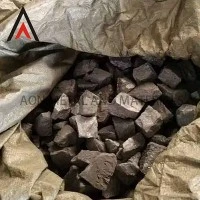
- Large lumps 10–100 mm: best for reverberatory furnaces and slow batch melting. They do not burn away quickly at the surface, reduce slag loss and give stable dissolution.
- Medium lumps 10–50 mm: the most common choice for induction furnaces and automatic feeding lines. Melting speed is predictable, and fines are easier to control.
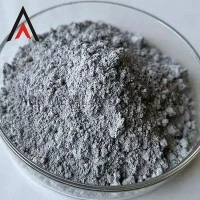
- Granules 1–5 mm: used for fast injection systems or master alloy lines. They dissolve faster, but fine material oxidizes easily and creates more dross if stored poorly.
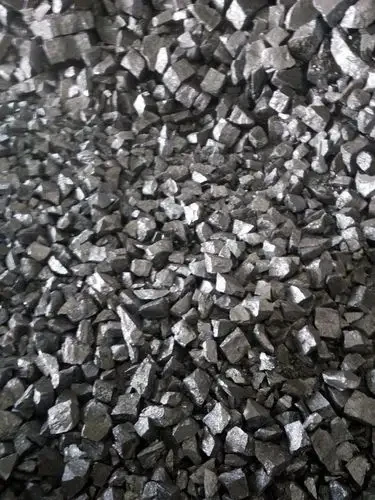
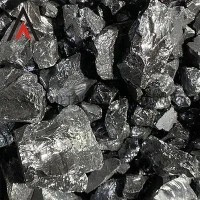
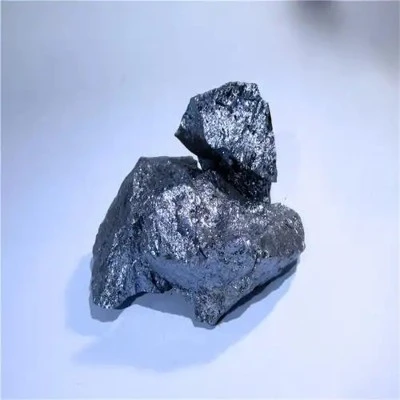
Fines content is a critical clause. If your order is 10–50 mm, set a maximum limit for material below 5 mm, usually 3–5%. Too much fines means higher oxidation, more slag, lower silicon recovery and unpredictable feed rates on automated lines. Visually, good silicon metal is silver-grey with metallic shine. Yellow, black or heavily powdery material shows oxidation and should be rejected at receiving inspection.
Matching grade to your production type
- High volume HPDC, ADC12, secondary scrap blending: 553 Silicon metal is cost effective. Confirm iron is acceptable for your casting process.
- Gravity casting, A356, automotive structural parts, Sr modification: 441 Silicon metal is the standard pick.
- Safety components, aerospace master alloys, thin wall precision casting: 3303 Silicon metal with strict calcium control.
- Extruded wrought aluminum alloys: usually low calcium, low iron specification, often Silicon 441 or Silicon 3303 depending on alloy design.
Silicon metal is not a commodity you can buy by price tag alone. The best buying strategy ties grade, impurity caps, particle size and testing rules directly to your alloy formula and furnace setup. A slightly higher price for consistent Silicon metal grade 441 or Silicon metal grade 3303 often pays back quickly through lower scrap, stable modification and fewer unplanned production stops.