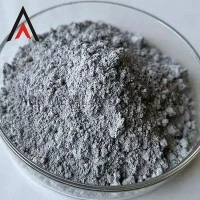
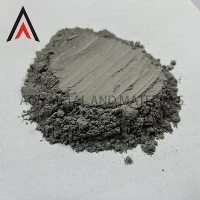
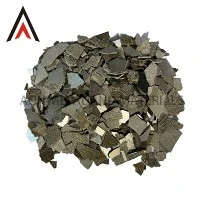
Ferro silicon nitride is the alloy steelmakers reach for when a grade needs more nitrogen. It carries nitrogen in a solid compound form and brings silicon along with it. So one charge does two jobs: it pushes nitrogen up and helps deoxidize the melt. The trick is getting the grade and the addition rate right, because nitrogen pickup changes with how you feed the alloy and where in the heat you add it.
Grade Options and What They Suit
|
Grade |
Nitride level |
Best for |
|---|---|---|
|
Si3N4 75% |
~75% |
Standard high nitrogen steel, regular addition |
|
Si3N4 60% |
~60% |
Lower nitrogen target, cost focused heats |
|
Fine powder grade |
Varies |
Injection dosing and tight control |


The Selection Path in Four Steps
Most buyers get into trouble by shopping on price first. It works better to start from the steel spec and walk backwards. Here is the order that actually holds up on the floor.
- Fix the nitrogen target. Know what nitrogen range your grade needs. Too little and the strength gain does not show. Too much and you risk porosity and brittle phases.
- Match the nitride level. Pick a grade whose nitride content lets you reach that target with a sensible addition rate. A 75 grade puts more nitrogen in per ton than a 60 grade.
- Pick the size. This decides how fast the alloy dissolves and how much you lose to fines or to the slag.
- Confirm impurities and run a trial heat. Check carbon, sulfur and phosphorus, then test the recovery on a few heats before you commit to a full order.
Size: Where Most Buyers Get It Wrong
Size is not a minor detail. It decides dissolution speed, nitrogen recovery and how much material ends up in the slag. Match it to how your line feeds alloy.
- Lumps for ladle or furnace charging. Bigger pieces sink into the melt and dissolve more slowly, which suits bulk addition at tap.
- Granules for steady dosing. Even size feeds well through hoppers and gives repeatable nitrogen pickup heat to heat.
- Fine powder for injection. Fast dissolving and good for tight control, but fines oxidize and fly out if your handling is rough.
Ask for the size distribution, not just the nominal range. A batch labeled 1 to 3 mm with half the weight under 0.5 mm behaves very differently from one that is properly screened.


FAQ
Q: Which grade should I start with for high nitrogen steel?
A: NS75 is the usual starting point because it gives more nitrogen per ton. Confirm the certificate nitrogen figure and set your addition rate from that, then adjust after a trial heat.
Q: Does a higher nitride grade always save money?
A: Not always. It may cut the tonnage you feed, but a cheaper lower grade with tight impurities can be the better buy. Compare cost per ton of nitrogen actually recovered, not per bag.
Q: What size should I order?
A: Match it to your feeding method. Lumps for bulk charging, granules for steady dosing, fine powder for injection. Always ask for the size distribution report.
Q: Why does nitrogen recovery vary so much between heats?
A: Size, addition timing, stirring and moisture all change how much nitrogen the steel keeps. Fix those variables and recovery becomes repeatable.
Q: What should I ask the supplier for with each shipment?
A: The mill test certificate with nitride level, total nitrogen, silicon, iron, carbon, sulfur, phosphorus, moisture and size distribution. That is the full set you need to control the heat.