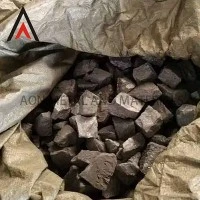
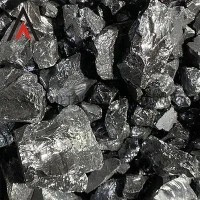
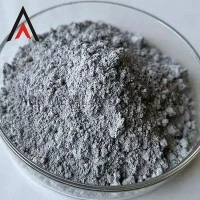
If you buy standard FeSi75 for general steelmaking, you rarely stop to think about aluminium. But once you move into clean steel, electrical steel or high end ductile iron, uncontrolled aluminium from ferrosilicon becomes a quiet, costly problem. Low aluminium ferro silicon is the grade made to fix exactly that issue. It still delivers the same silicon for deoxidation and alloying, but raw materials and smelting controls are tightened to cap aluminium far below the usual commercial threshold.
The most common base grade is FerroSilicon 75, silicon sitting between ferrosilicon 72% and 75%. Ordinary FeSi75% usually allows aluminium up to 1.2% or 1.5%. Low aluminium variants are normally specified at Al ≤1.0%, Al ≤0.5%, Al ≤0.3%, and for ultra clean grades, Al ≤0.1% or even lower. The tighter your aluminium cap, the more careful the furnace operation has to be.
Aluminium comes mostly from silica rock and coke ash. To hold Al low, producers pick high purity quartz, limit ash bearing carbon materials, and adjust slag chemistry during submerged arc furnace smelting. That extra control pushes the price higher than standard FeSi. This is why buyers should not default to low Al grade unless their metallurgical flow truly requires it.
Many new purchasers mix it up with silicon metal. They are not interchangeable. Silicon metal has much higher silicon content and far lower iron, while low Al ferro silicon is ferro silicon alloy, designed for steel and cast iron treatment, not aluminium alloy melting.

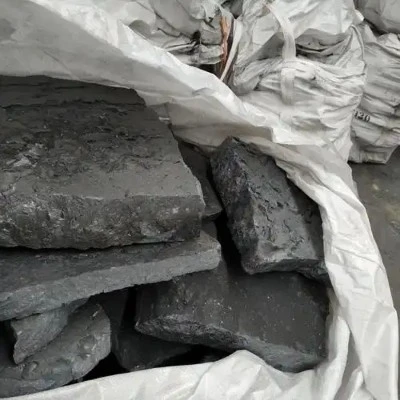
Why aluminium matters in your melt
Aluminium in ferrosilicon does not sound dangerous at first glance. But when it enters molten steel, it reacts with oxygen to form hard alumina inclusions. These tiny, sharp inclusions do not disappear easily. They clog continuous casting nozzles, leave surface streaks on steel sheet, and act as fatigue crack initiation points for bearing and automotive structural steel.
For electrical steel, the effect is even more direct. Random aluminium contamination shifts magnetic properties, raises core loss, and ruins transformer performance. In ductile iron, excess aluminium can feed hydrogen porosity, especially in thin wall castings. It also interferes with nodulising and inoculation consistency, leading to unstable graphite shape and higher reject rates.
Low aluminium ferro silicon does not remove aluminium already in your system. It simply stops your silicon addition from being a major, uncontrolled aluminium source. This is a critical point: it is part of your impurity control plan, not a cleanup tool.

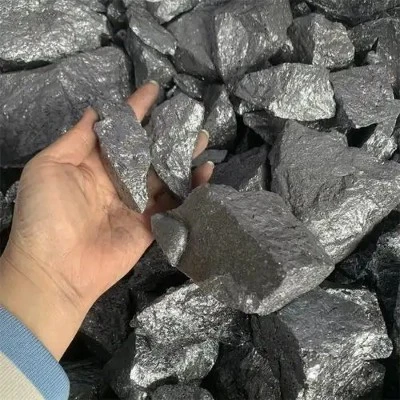
Typical use cases
Electrical steel (grain oriented and non grain oriented)
This is the biggest demand segment. Electrical steel for transformers, motors and generators needs stable magnetic permeability and low iron loss. Even small, variable aluminium pickup will create inconsistent grain structure. Most mills here lock in 75% FeSi Al≤0.5% or tighter. Nozzle clogging is also a frequent headache in this line, so low Al spec is standard practice.
Ultra low carbon IF steel and deep drawing automotive steel
Automotive body sheet must form cleanly without cracking during stamping. Alumina stringers show up as surface defects and reduce elongation. For these grades, the whole ferroalloy bill of materials is controlled, and low Al fesi is selected to avoid adding unexpected aluminium alongside silicon.
Bearing steel, spring steel and high strength pipeline steel
These components run under cyclic load. Hard alumina inclusions shorten fatigue life. Steelmakers targeting high purity will specify low aluminum ferrosilicon to limit the total alumina inclusion load, alongside calcium treatment and fine bubble stirring.
Premium ductile iron and vermicular graphite iron
For high performance ductile iron parts like crankshafts, wheel hubs and thin wall engine castings, foundries choose low al ferrosilicon as inoculant. It cuts subcutaneous porosity risk and keeps nodule count steady. This is not needed for all ductile iron lines; general purpose ductile iron can run on standard FeSi and save cost. Only when porosity and nodularity scatter become recurring issues does switching make sense.
Stainless steel and special alloy melting
Some stainless and nickel based alloy recipes have narrow aluminium windows. If you add regular ferrosilicon, aluminium content drifts out of spec heat by heat. Low Al ferro silicon lets the metallurgist hit silicon targets without blowing the aluminium balance.
Welding raw material production
Welding rod and wire feedstock requires consistent surface and slag behaviour. Variable aluminium from ferrosilicon changes arc stability and weld deposit cleanliness, so low Al grade is widely used by welding material manufacturers.

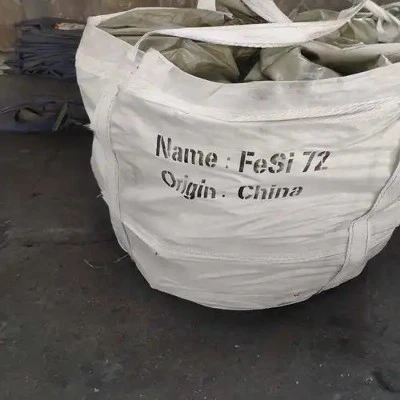
Low aluminium ferro silicon exists for one clear purpose: deliver silicon for deoxidation and alloying, while minimising alumina inclusion risk. It is not a universal upgrade. It is a targeted spec for clean steel, electrical steel, high grade ductile iron and specialty alloys where aluminium is tightly controlled.
The best buying rule is simple: match your ferrosilicon grade to your metallurgical risk. If your process can tolerate standard FeSi, save money. If alumina inclusions, nozzle clogging, magnetic drift or casting porosity are recurring pain points, low Al ferrosilicon will often pay back its premium quickly through fewer rejected heats and fewer unplanned production stops.