Manganese Ingot
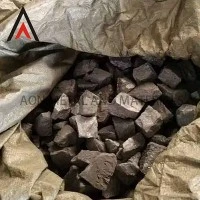
Manganese ingot, also called metal manganese metal ingot, is produced by the thermal reduction method (pyrometallurgy). Manganese ore is smelted in a furnace with reducing agents, then the molten manganese is cast into solid ingots after slag removal and refining.
- Appearance: Solid, heavy metal blocks or standard ingots, metallic silver grey, hard texture, with regular casting shapes.
- Common purity grades: Mainly 95#, 96#, 97#, 98# manganese ingot. The typical main content is Mn ≥95% to 98%. Impurities such as iron, silicon, carbon and phosphorus are relatively higher compared to electrolytic manganese flakes.
Because of the pyrometallurgical process, manganese ingot has a cost advantage for large volume basic alloying. It is widely used where strict impurity limits are not mandatory.
Electrolytic Manganese Metal Flake
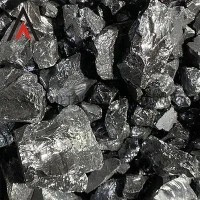
Electrolytic manganese metal flakes (often shortened as electrolytic manganese, EMM flakes) are manufactured through hydrometallurgy and electrolysis. Manganese ore is leached, purified, and the qualified manganese sulfate solution is sent into electrolytic cells. Pure manganese metal deposits on the cathode plate, then it is stripped to form thin flake products.
- Appearance: Thin, irregular silver flakes, shiny metallic surface, brittle, easy to crush into powder or fine granules.
- Common purity grades: The mainstream grade is Mn ≥99.7%, which is the standard high-grade electrolytic manganese. Impurity indexes (Fe, Si, C, S, P) are tightly controlled at very low levels.
Electrolytic manganese features high purity and low impurity content, which makes it the preferred choice for high-performance alloy materials.
Core Comparison Table
| Item | Manganese Ingot | Electrolytic Manganese Metal Flakes |
|---|---|---|
| Production process | Pyrometallurgical smelting / thermal reduction | Hydrometallurgy + electrolysis |
| Typical Mn content | 95%–98% | ≥99.7% |
| Impurity level | Higher Fe, Si, C, P | Ultra-low impurities |
| Physical form | Solid heavy ingot blocks | Thin brittle metal flakes |
| Dissolving speed | Slow, needs sufficient melting time | Faster, larger specific surface area |
| Price level | Lower, cost-effective | Higher premium for high purity |
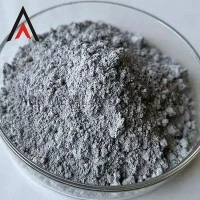
| Oxidation tendency | Relatively stable | Easier to oxidize when stored for long or crushed into fine powder |


Main Applications
Manganese Ingot Applications
Manganese ingot is mostly used for bulk steelmaking and general casting, for scenarios that focus on adding manganese element without strict impurity restrictions.
1. Carbon steel, low alloy steel smelting: Manganese acts as deoxidizer and desulfurizer. It improves the strength and toughness of ordinary structural steel.
2. Common cast iron and general alloy castings: Adjust manganese content to refine grain structure and offset the harmful effect of sulfur.
3. Production of ferromanganese alloys and low grade manganese master alloys.
4. Large volume basic metallurgical projects sensitive to raw material cost.
Electrolytic Manganese Metal Flakes Applications
Electrolytic manganese flakes are chosen for high-end alloys where impurity control directly affects final product performance.
1. Special alloy steel, high-strength low-alloy steel, stainless steel, wear-resistant steel: Low impurities avoid harmful brittle phases inside steel.
2. Non-ferrous alloys: Aluminum alloy, copper alloy, magnesium alloy, aluminum-manganese alloy. It helps improve tensile strength, corrosion resistance and processing performance.
3. Welding rod and welding wire raw materials: Consistent low impurity is critical to guarantee welding seam quality and avoid welding defects.
4. Magnetic materials, high-performance battery materials, chemical additives and fine metallurgy.
5. Manufacturing of high-grade manganese master alloys for precision batching.
How to Choose Between Manganese Ingot and Electrolytic Manganese Flakes
- Pick Manganese Ingot, if:
You produce ordinary carbon steel, low grade cast iron and general structural parts.
Your formula allows higher Fe, Si and P impurities.
You have large consumption volume and want to control raw material cost.
You prefer stable storage and low dust loss.
- Pick Electrolytic Manganese Metal Flakes, if:
You produce stainless steel, special alloy steel, high performance wear resistant steel.
You make aluminum alloy, copper alloy, welding consumables and magnetic materials.
Your finished product has strict limits on trace impurities.
You need fast melting speed and precise manganese component control in each furnace.


FAQ
Q1: Can electrolytic manganese flakes replace manganese ingot directly?
Yes technically, but it will raise your raw material cost greatly. It is not economical for ordinary steel and casting. Manganese ingot cannot fully replace electrolytic manganese flakes for high-end alloy production due to higher impurities.
Q2: Why electrolytic manganese flakes are more expensive?
The electrolytic process includes ore leaching, solution purification, electrolysis and stripping, with more complicated production steps and lower output efficiency. The strict impurity control also pushes up the production cost.
Q3: Will electrolytic manganese flakes turn black after storage?
Light surface oxidation (dark color) is normal if stored in humid environment. Heavily oxidized material has lower activity and is not recommended for high grade alloy production. Always store in sealed bags under dry conditions.
Q4: Which one has better manganese recovery rate?
Under standard operation, electrolytic manganese flakes usually have more stable recovery rate, thanks to fast dissolution. Manganese ingot recovery depends heavily on furnace temperature, stirring and lump size.
Q5: What is the most common specification of electrolytic manganese flakes?
The widely traded grade is Mn ≥99.7% electrolytic manganese metal flakes, which is the standard grade for alloy and welding material manufacturers.