In the process of steelmaking and casting, desulfurization is a crucial link:
Prevent hot brittleness:
Sulfur exists mainly in the form of iron sulfide (FeS) in steel and cast iron. The low-melting eutectic (melting point of about 985℃) formed by FeS and iron is distributed at the grain boundaries. When steel or castings are subjected to hot processing (such as forging and rolling), these low-melting eutectics at high temperatures may melt, causing the material to become hot brittle, reducing the strength and toughness of the steel or casting, and seriously affecting its quality and service life.
Avoid cold brittleness tendency:
Sulfur will also react with other elements in steel (such as manganese) to form hard and brittle sulfide inclusions. These inclusions will reduce the plasticity and toughness of the material during the cooling process of steel or castings, produce cold brittleness tendency, and increase the risk of brittle fracture of the material at low temperatures.
Improve processing performance:
Steel and castings with high sulfur content will increase tool wear during cutting, reduce the quality of the processed surface, and lead to reduced production efficiency. Desulfurization can effectively improve the cutting performance of materials, enhance machining accuracy and surface quality, and thus reduce machining costs.
Meet special performance requirements:
For some special-purpose steels and castings, such as steel for aerospace and nuclear power, there are extremely strict restrictions on sulfur content. In order to meet these special performance requirements, desulfurization treatment must be carried out to ensure that the products meet relevant standards and specifications.
Improve product purity:
Desulfurization can effectively reduce the impurity content in steel and cast iron, improve its purity, and thus improve the comprehensive performance of materials, such as corrosion resistance and oxidation resistance.

In steelmaking and casting, the following alloy desulfurizers are commonly used
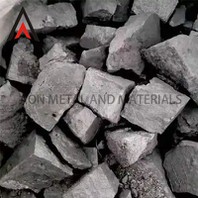
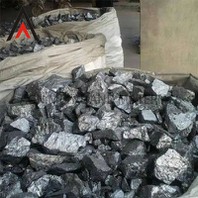
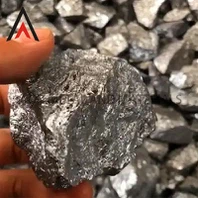
calcium Silicon alloy
It is a commonly used alloy desulfurizer. The calcium element in silicon calcium alloy has a strong affinity for sulfur and can react quickly with sulfur in molten steel or molten iron to generate calcium sulfide (CaS), thereby achieving desulfurization. During the reaction process, calcium silicon alloy can also play a certain deoxidation role, purify the molten metal, and improve the desulfurization effect. In addition, the generated CaS has a low density and is easy to float to the surface of the molten metal and enter the slag, which is easy to remove.

Ferro Manganese alloy
Manganese and sulfur can form manganese sulfide (MnS) with a high melting point (about 1600℃). During the steelmaking and casting process, after adding ferro manganese alloy, manganese will react with sulfur first and fix sulfur into MnS. MnS is distributed in the metal matrix in fine particles. Compared with FeS, it has less harm to the metal properties and can also improve the cutting performance of steel to a certain extent.

calcium Magnesium alloy
Magnesium has a strong desulfurization ability and reacts with sulfur to form magnesium sulfide (MgS). Calcium magnesium alloy combines the desulfurization advantages of magnesium and calcium. It not only has high desulfurization efficiency and fast reaction speed, but also has good stability of desulfurization products such as MgS and CaS, which are easy to separate from the molten metal. At the same time, magnesium calcium alloy can also affect the morphology and distribution of inclusions and improve the properties of metals.

Rare earth alloy
Rare earth elements (such as cerium, lanthanum, etc.) have a high affinity for sulfur and can form stable rare earth sulfides with sulfur. When used as a desulfurizer, rare earth alloys can not only effectively remove sulfur from molten steel or molten iron, but also play a metamorphic role, refine grains, improve the morphology and distribution of inclusions, and enhance the strength, toughness and fatigue resistance of the metal.