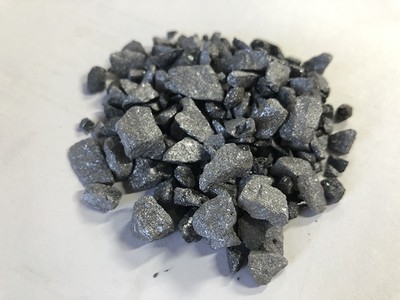
Ferro silicon (FeSi) is an indispensable deoxidizer and alloying agent in low-alloy steel production, directly affecting the cleanliness, mechanical properties, and production costs of finished steel. Among the commonly used ferro silicon grades, FerroSilicon 65 and FerroSilicon 75 are the two most widely applied options. While FeSi 75 is often recognized for its higher silicon content and stronger deoxidation capacity, FeSi 65 has gradually become the preferred choice for many low-alloy steel manufacturers due to its balanced performance and superior cost-effectiveness.

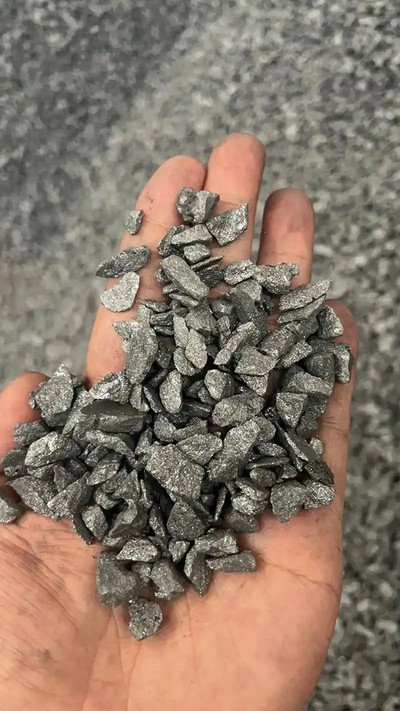
Core Overview of FerroSilicon 65% and FerroSilicon 75%
The primary distinction between FeSi 65% and FeSi 75% lies in their silicon content, which directly determines their deoxidation efficiency, alloying performance, and cost.
1.1 Key Specifications and Property Comparison
|
Specification Item |
Ferro Silicon 65 (FeSi 65) |
Ferro Silicon 75 (FeSi 75) |
Key Note for Low-Alloy Steel Production |
|---|---|---|---|
|
Silicon (Si) Content |
60% - 67% (nominal 65%) |
72% - 78% (nominal 75%) |
FeSi 75 has higher Si content, but low-alloy steel does not require excessive Si input |
|
Iron (Fe) Content |
33% - 40% |
22% - 28% |
FeSi 65's higher Fe content reduces unnecessary alloy waste |
|
Impurity Content (S, P, Al) |
S ≤ 0.04%, P ≤ 0.04%, Al ≤ 2.0% |
S ≤ 0.03%, P ≤ 0.03%, Al ≤ 1.5% |
Both meet low-alloy steel requirements; FeSi 65's impurity levels are sufficient for most grades |
|
Melting Point |
1200 - 1280℃ |
1180 - 1250℃ |
Both match molten low-alloy steel temperature (1500 - 1600℃) for rapid reaction |
|
Unit Price (FOB Tianjin, 2026) |
$950 - $980/ton |
$1100 - $1120/ton |
FeSi 65 is 12% - 15% cheaper than FeSi 75 per ton |
|
Deoxidation Efficiency (Oxygen Removal per Ton) |
0.32 - 0.35 kg O₂/ton FeSi |
0.40 - 0.43 kg O₂/ton FeSi |
FeSi 75 is 15% - 20% more efficient, but low-alloy steel does not need this excess capacity |
1.2 Core Roles in Low-Alloy Steel Production
Low-alloy steel (e.g., Q355, A572) requires moderate deoxidation and controlled silicon addition to balance mechanical properties (strength, toughness) and production costs. Both ferro silicon 65 and ferro silicon 75 fulfill two key roles:
Deoxidation: Silicon reacts with dissolved oxygen in molten steel to form SiO₂, which floats to the slag layer for separation, reducing oxide inclusions and avoiding steel defects (e.g., nozzle clogging, cracks).
Alloying: Silicon enhances the strength and hardenability of low-alloy steel, but excessive silicon can reduce toughness and weldability-critical properties for low-alloy steel applications (e.g., construction, machinery).
The key insight: Low-alloy steel does not require the maximum deoxidation capacity of FeSi 75. FeSi 65's moderate silicon content can fully meet production requirements while minimizing cost waste.

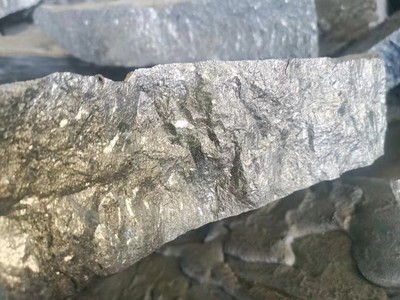
Why FeSi 65 Is More Cost-Effective in Low-Alloy Steel Production
Cost-effectiveness in low-alloy steel production is not just about the unit price of ferro silicon, but the total cost per ton of finished steel-including material consumption, process efficiency, and quality control costs.
2.1 Lower Cost
The most direct cost advantage of FeSi 65 comes from its lower unit price and more efficient material utilization. Let's take the production of Q355 low-alloy steel as an exampl:
|
Item |
FeSi 65 |
FeSi 75 |
Cost Saving with FeSi 65 |
|---|---|---|---|
|
Unit Price ($/ton FeSi) |
960 |
1110 |
- |
|
FeSi Consumption (kg/ton steel) |
8.5 - 9.0 |
6.8 - 7.2 |
- |
|
Total FeSi Cost ($/ton steel) |
8.16 - 8.64 |
7.55 - 7.99 |
- |
|
Silicon Recovery Rate (%) |
82 - 85 |
78 - 81 |
3 - 4% higher |
|
Total Cost per Ton Steel (Including Recovery) |
9.60 - 10.42 |
9.32 - 10.11 |
- |
|
Additional Cost (Excess Si Treatment) |
$0.20 - $0.30 |
$0.80 - $1.20 |
$0.50 - $0.90 |
|
Final Total Cost ($/ton steel) |
9.80 - 10.72 |
10.12 - 11.31 |
$0.32 - $0.59 |
Key Analysis: While 75% FeSi has lower consumption per ton of steel, its higher unit price and lower silicon recovery rate (due to more intense reaction and volatilization) offset this advantage. Additionally, FeSi 75's excess silicon often requires additional treatment (e.g., adding aluminum to adjust composition), increasing process costs. FeSi 65's balanced silicon content avoids this waste, resulting in a total cost savings of $0.32 - $0.59 per ton of low-alloy steel.
2.2 Lower Process Costs
FeSi 65's moderate silicon content leads to more controlled reaction behavior in molten steel, reducing process risks and associated costs:
Reduced Splashing and Material Loss:
FeSi 75's high silicon content reacts more aggressively with oxygen, causing severe splashing of molten steel and material loss (5% - 8% loss rate). FeSi 65's reaction is milder, with a loss rate of only 2% - 3%, reducing ferro silicon waste by 3% - 5% per batch.
Lower Slag Treatment Costs:
The reaction of FeSi 75 produces more SiO₂, increasing slag volume by 10% - 15% compared to FeSi 65. This requires additional slag disposal (e.g., transportation, processing) and more flux (e.g., lime) to adjust slag properties, adding $0.20 - $0.30 per ton of steel in process costs.
Improved Operational Safety and Stability:
65% ferro silicon's predictable reaction behavior is particularly beneficial for medium-sized furnaces or facilities where precise control is prioritized. It reduces the risk of equipment damage (e.g., ladle lining erosion) and production delays, lowering maintenance and downtime costs by 10% - 15% compared to 75% ferro silicon applications.
2.3 No Quality-Related Cost Penalties
A critical premise of FeSi 65's cost-effectiveness is that it fully meets the quality requirements of low-alloy steel. Many manufacturers mistakenly believe that higher-grade ferro silicon equals better quality, but this is unnecessary for low-alloy steel:
Deoxidation Capacity:
Low-alloy steel requires a final oxygen content of ≤ 30 ppm. FeSi 65's deoxidation capacity (0.32 - 0.35 kg O₂/ton FeSi) is sufficient to meet this requirement, as verified by industrial tests: after adding FeSi 65, the oxygen content of molten Q355 steel drops from 80 - 90 ppm to 25 - 28 ppm, meeting cleanliness standards.
Alloying Effect:
Low-alloy steel typically requires a silicon content of 0.15% - 0.35%. FeSi65%'s addition rate (8.5 - 9.0 kg/ton steel) precisely achieves this range, while FeSi75% often leads to excessive silicon (0.40% - 0.45%), which reduces steel toughness and weldability-requiring additional alloy adjustments (e.g., adding manganese) to correct, increasing quality control costs.
Impurity Control:
FeSi 65's impurity levels (S ≤ 0.04%, P ≤ 0.04%) are within the allowable range for low-alloy steel (S ≤ 0.05%, P ≤ 0.05%), ensuring no negative impact on steel performance. FeSi65 produces low-alloy steel with mechanical properties (tensile strength, impact toughness) identical to those produced with FeSi75 .

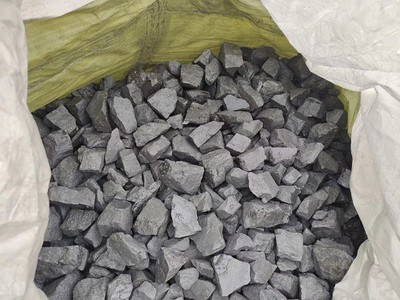
Key Considerations for Using FeSi 65 in Low-Alloy Steel Production
Select the Right 65% FeSi Grade
Choose FeSi 65 with a silicon content of 64% - 66% (the optimal range for low-alloy steel). Avoid low-grade FeSi 65 (Si < 60%), as it will increase consumption and reduce deoxidation efficiency.
Optimize the Addition Method and Timing
Addition Method: Adopt the wire feeding method (feeding speed: 3 - 5 m/min) to insert 65 FeSi wire into the deep part of molten steel (1.5 - 2.0 m), avoiding silicon volatilization and improving recovery rate by 3% - 5% compared to manual addition.
Addition Timing: Add 65 Ferro Silicon during the early stage of LF refining (after RH degassing), when the molten steel temperature is 1550 - 1600℃. This ensures sufficient reaction time and avoids secondary oxidation, further improving deoxidation efficiency.
Control Molten Steel Temperature and Slag Properties
Maintain the molten steel temperature at 1550 - 1600℃ during FeSi 65 addition. A temperature below 1500℃ will reduce the reaction rate, while a temperature above 1650℃ will increase silicon volatilization. Additionally, control the slag alkalinity at 2.3 - 2.6 and ensure the slag's FeO + MnO content ≤ 0.5% to create a reducing environment for optimal deoxidation.