Products
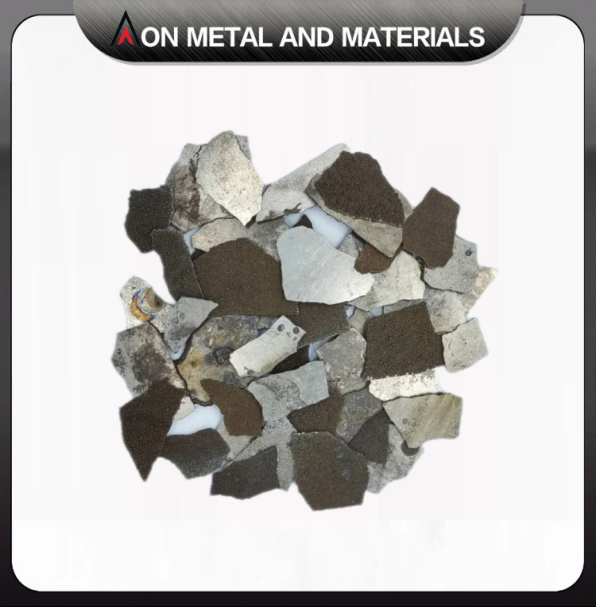
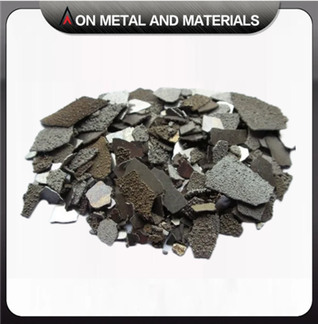
Electrolytic Manganese Metal Flakes
-------------------------------------------------------------------------------------------
Shape:Flakes Powder
-------------------------------------------------------------------------------------------
Chemical Composition:Mn C S P Si Fe Se
-------------------------------------------------------------------------------------------
Size: flake or 40-500 mesh
-------------------------------------------------------------------------------------------
Package: Barreled or customized according to customer requirements
Send Inquiry
Product Introduction
Electrolytic manganese metal flakes (EMM Flakes) are pure manganese metal produced through a wet electrolysis process. With their extremely high purity (Mn≥99.5%-99.9%), extremely low levels of impurities (especially C, S, P, Fe, Se), and flaky shape that facilitates dissolution, they have become a fundamental material in modern high-end manufacturing. Compared to manganese alloys produced by pyrometallurgical processes (such as ferromanganese and ferrosilicon), electrolytic manganese is a true "pure metal additive."
AON METALS' electrolytic manganese flakes are manufactured in strict accordance with national standards or even higher internal control standards, making them an ideal choice for lithium-ion battery cathode materials, high-end special steel, stainless steel, aluminum alloys, and welding materials. Their regular flaky shape not only facilitates packaging and transportation but also exhibits advantages such as rapid melting speed, high absorption rate, and uniform composition during the smelting process.


Production Process
Electrolytic Manganese are made via aqueous electrolysis, a process that ensures unmatched purity compared to traditional smelting:
Leaching: Manganese ore (pyrolusite, MnO₂) is dissolved in sulfuric acid to form manganese sulfate (MnSO₄) solution.
Purification: The solution is filtered to remove iron (Fe), silicon (Si), and heavy metals (Ni, Co, Pb) to ≤0.001%, critical for battery and electronics use.
Electrolysis: Purified MnSO₄ is fed into electrolytic cells, where manganese ions (Mn²⁺) are deposited on aluminum cathodes at 38–42℃, forming thin, adherent layers.
Processing: Deposited manganese is stripped from cathodes, washed, and crushed into flakes (typically 0.5–2mm thick) to optimize surface area and dissolution speed.
This process produces manganese with 99.7–99.99% purity-far higher than ferromanganese (60–80% Mn) or manganese metal Ingot (95–98% Mn).


chemical composition
| Grade | Chemical composition | Typical Application Areas | Key Requirements | ||||||
|---|---|---|---|---|---|---|---|---|---|
| Mn ≥ | C ≤ | S ≤ | P ≤ | Si ≤ | Fe ≤ | Se ≤ | |||
| Mn99.9 | 99.9 | 0.01 | 0.02 | 0.001 | 0.003 | 0.01 | 0.03 | High-nickel ternary cathode materials, lithium-rich manganese-based materials, semiconductors | Extremely stringent requirements for trace metallic impurities such as Se, Cu, and Ni, which directly impact battery cycle life and safety. |
| Mn99.8 | 99.8 | 0.02 | 0.03 | 0.005 | 0.005 | 0.03 | 0.06 | Lithium manganese oxide, primary batteries, high-end special steels (such as nuclear power steel) | Excellent electrochemical performance and metallurgical stability. |
| Mn99.7 | 99.7 | 0.04 | 0.05 | 0.005 | 0.010 | 0.03 | 0.10 | 200 series/300 series stainless steel, aluminum alloys (such as 3003), welding materials | Balancing purity and cost, the most widely used grade. |
| Mn99.5 | 99.5 | 0.08 | 0.10 | 0.010 | 0.015 | 0.03 | 0.15 | Carbon steel additives, copper-manganese alloys, manganese compound production | High cost-performance ratio, meeting conventional industrial needs. |
Physical Specifications:
Form: Irregular flakes, typical thickness 0.5-2mm.
Size: Standard flakes, can also be crushed into 40-500 mesh powder upon request.
Flake Thickness Customization:
0.3-1mm: Suitable for applications requiring rapid dissolution, such as battery slurry preparation.
1-2mm: Suitable for pressing electrode sheets or as an alloying additive, combining solubility and workability.
Introduction to the uses of electrolytic manganese
Battery materials
It is a well-known battery material and an important raw material for manufacturing dry batteries and electrolytic batteries. In the production of dry batteries and electrolytic batteries, electrolytic Mn is mainly used to make positive active material MnO2, which can improve the performance and life of the battery. At the same time, the material cost of electrolytic manganese is low, which is one of the important factors for battery manufacturers to choose.
Refractory materials
Another important application area of electrolytic manganese is refractory materials. It can be used to produce manganese-containing refractory materials, which have the characteristics of corrosion resistance, high strength and fire resistance. It is also widely used in blast furnaces and electric arc furnaces for steel manufacturing.


FAQ
Q1: What is the difference between electrolytic manganese flakes and metallic manganese ingots (such as Mn95)?
A1: These are two completely different products. The core differences lie in the production process, purity, and application.
Electrolytic manganese flakes: Produced through wet electrolysis, with extremely high purity (Mn≥99.5-99.9%) and extremely low impurities (C, S, P, Fe, Se). Primarily used in high-end special steels, stainless steels, battery materials, and aluminum alloys where stringent impurity requirements exist.
Metallic manganese ingots (electrofused manganese, Mn95): Produced through the electrosilicon thermal (pyrometallurgical) process, with a purity of around 95%, containing higher levels of impurities such as Fe, Si, and C. Primarily used in ordinary low-alloy steels and cast steel where cost is a priority, offering a high-performance manganese source at a cost-effective price.
In short: For ultimate purity, choose electrolytic manganese flakes; for cost-effectiveness, choose electrofused manganese ingots.
Q2: What are the special requirements for impurities in battery-grade electrolytic manganese?
A2: Battery materials are extremely sensitive to impurities, especially elements harmful to electrochemical performance:
Selenium (Se): An element that may remain after electrolysis, it has a serious toxic effect on batteries. Battery-grade products require Se ≤ 0.03-0.05%.
Iron (Fe), Copper (Cu), Nickel (Ni): These metallic impurities reduce battery voltage and cause self-discharge. They must be controlled to ≤0.01% or even lower.
Sulfur (S), Phosphorus (P): Affect the crystal structure and stability of the cathode material.
Our Mn99.8 and Mn99.9 grades are designed specifically to meet these requirements.
Q3: How to store manganese metal flakes? Will they oxidize?
A3: Pure manganese will slowly oxidize in air, darkening the surface. This is normal and usually does not affect performance. However, to maintain optimal quality:
Moisture protection: Our products are packaged in vacuum-sealed aluminum foil bags, effectively isolating them from air and moisture. Please store in a dry, ventilated warehouse, keeping the packaging intact until use.
First-in, first-out (FIFO): It is recommended to use within 6-12 months.
If the product is found to be severely clumped, blackened, or hot, it may have become damp and deteriorated, and should be discontinued.
Contact us today to get a customized quote and technical datasheet-elevate your product performance with our high-purity Electrolytic Manganese Metal Flakes!
Hot Tags: electrolytic manganese metal flakes, China electrolytic manganese metal flakes manufacturers, suppliers, factory, Electrolytic Manganese Metal Flakes, Electrolytic Manganese Flakes, Electrolytic Manganese Sheets, Electrolytic Manganese Metal, Pure Electrolytic Manganese Metal
Previous:
No Information
Send Inquiry