

Products
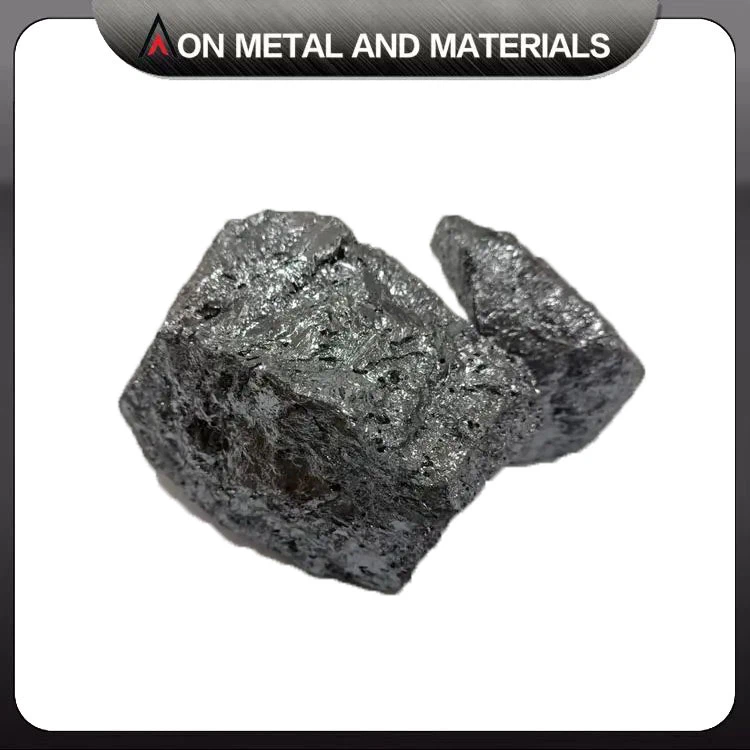
Silicon Metal 553 For Aluminum Alloys
-------------------------------------------------------------------------------------------
Shape: Lump Powder Particles
-------------------------------------------------------------------------------------------
Chemical Composition:Si Fe Al Ca P
-------------------------------------------------------------------------------------------
Size:0~1mm 1~3mm 10mm~50mm 10~60mm 10~100mm .etc
-------------------------------------------------------------------------------------------
Package: Ton bag or customized according to customer requirements
Send Inquiry
Product Introduction
Silicon metal 553 (also known as industrial silicon) is a high-performance silicon metal grade that occupies a core position in the aluminum alloy manufacturing industry due to its unique compositional balance. Its name "553" originates from its strict control over the upper limits of key impurities: iron (Fe) ≤ 0.5%, aluminum (Al) ≤ 0.5%, calcium (Ca) ≤ 0.3%, while the silicon (Si) content is not less than 98.5%. This compositional design achieves an excellent balance between purity, performance, and economy, making it an ideal raw material for the mass production of cast and die-cast aluminum alloys, general-purpose profiles, and some wrought alloys, especially suitable for applications where strict cost control is required while ensuring performance.

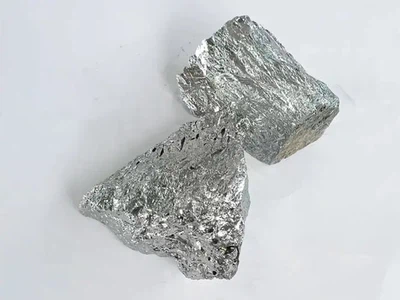
chemical composition
The significance of the "553" grade lies in its precisely defined impurity spectrum, which provides predictable performance characteristics for aluminum alloy smelting.
| Composition Parameters | Standard Range | Metallurgical Significance |
|---|---|---|
| Main Components | Silicon (Si): ≥98.5% | Provides sufficient and stable silicon, ensuring the core function of alloying and avoiding excessive addition and component waste due to insufficient content. |
| Critical Impurities (Maximum Value) | Fe ≤ 0.5% | Moderate iron content helps neutralize some of the effects of free silicon, but its phase state needs to be controlled in conjunction with the process to avoid the formation of coarse needle-like β phases that are detrimental to toughness. |
| Al ≤ 0.5% | As a by-product, its stable content is fundamental to ensuring batch-to-batch alloy performance consistency. | |
| Ca ≤ 0.3% | Its negative impact can be controlled through effective in-furnace refining processes, without significantly increasing slag or exacerbating mold wear. | |
| Physical Form | Block:10–100mm | Suitable for large melting furnaces and reverberatory furnaces, with smooth melting and controllable burn-off. |
| Granule:1–10mm | Dissolves rapidly, suitable for medium-frequency furnaces, automated feeding systems, and rapid composition adjustment. | |
| Powder:100–200mesh | Used for precision alloying or as a premix for special processes. |
Core Application Areas
1: Main Additive for Casting and Die-casting Aluminum Alloys
This is the largest and most classic application area for silicon 553.
Typical Alloy Grades: ADC12, ADC10, A380, etc., aluminum-silicon casting alloys.
Core Functions and Value:
Improved Casting Performance: Significantly lowers the eutectic temperature of the alloy, greatly improves melt fluidity, enabling it to perfectly fill thin-walled areas of complex molds, reducing defects such as cold shuts and incomplete filling.
Enhanced Mechanical Properties: As the main strengthening phase, it forms uniform primary and eutectic silicon, effectively improving the hardness, wear resistance, and tensile strength of castings.
Outstanding Economic Benefits: While meeting the performance requirements of die-cast parts (mostly non-high-stress structural parts), its cost is far lower than high-purity grades such as Si441 and Si3303, bringing significant direct raw material cost savings for large-scale production.
2: Alloying Elements for General-Purpose Building and Industrial Aluminum Profiles
Typical Alloy Grades:
6063, 6061 (for applications with less demanding performance requirements).
Core Role and Value:
Serves as a basic silicon source for adjusting the target silicon content (e.g., 0.2-0.6% Si in 6063 profiles). Its stable composition contributes to uniform extrusion performance and surface quality, making it a cost-effective choice for producing door and window curtain wall profiles and general industrial materials. Requires proper melt refining and online composition monitoring.
3: Preparation of Some Silicon-Aluminum Alloys and Master Alloys
Used for formulating low- to medium-grade silicon-aluminum alloys as raw materials for smelting ferrosilicon alloys in the steel industry, or for the preparation of other silicon-containing functional materials.


Why choose silicon metal 553? Precise positioning based on rational comparison.
| Characteristics | Silicon Metal 553 | Silicon Metal 441 | Silicon Metal 3303/2202 | Best suited for |
|---|---|---|---|---|
| Purity and Impurity Control | Balance (Fe≤0.5%, Ca≤0.3%) | Strict(Fe/Al≤0.4%, Ca≤0.1%) | Ultimate (Fe≤0.3%/0.2%, Ca≤0.03%) | Cost-sensitive general-purpose alloys vs. high-performance structural/forged alloys vs. high-end anodized/specialty alloys |
| Core Advantages | Excellent cost-performance ratio | Golden balance of performance and cost | Top-tier purity and surface quality | Mass die casting vs. casting for automotive wheels/premium profiles vs. electronic housings/aerospace components |
| Impact on Final Product | Meets general standards and provides stable and reliable performance under standard processes. | Ensures excellent and consistent mechanical properties, especially suitable for heat treatment strengthening. | Achieves flawless surface treatment, excellent corrosion resistance, and weldability. | Concerned with overall manufacturing cost vs. concerned with performance stability vs. concerned with appearance and special properties |
FAQ
Q: What does "553" mean in Silicon Metal 553?
A: It represents impurity limits: Fe≤0.5%, Al≤0.5%, Ca≤0.3%, Si≥98.5%.
Q: Why is 553 the first choice for standard aluminum alloys?
A: It balances purity, performance, and cost better than higher‑grade 441/3303 for mass production.
Q: Can you customize sizes?
A: Yes, we provide lump, granule, powder as per furnace & process needs.
Q: What is the delivery time?
A: Normally 7–15 days after order confirmation.


Hot Tags: silicon metal 553 for aluminum alloys, China silicon metal 553 for aluminum alloys manufacturers, suppliers, factory, Industrial Silicon, Metal Silicon, Metal Silicon 3303, Metal Silicon 553, Metal Silicon 97, Silicon Metal
Previous:
Silicon Metal 331
Send Inquiry


