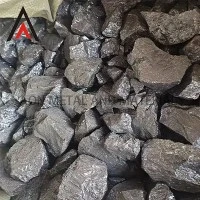
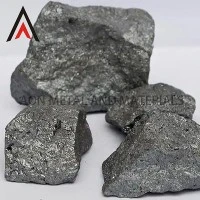
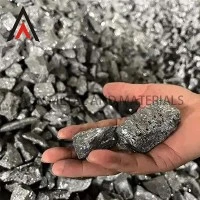
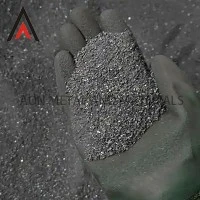
Ferrosilicon is an ferro alloy. The silicon content usually sits between 65 and 77 percent depending on the grade. It is made by reducing silica with coke in an electric furnace, with iron added in. The result is a strong deoxidizer and a source of silicon for steel and cast iron. Because it is easy to handle, cheap per unit of silicon and predictable in reaction, it is one of the most widely traded ferroalloys in the world.


What Is Ferrosilicon Used For
FeSi Alloy is not a single purpose material. Its value comes from the silicon content, so most of the main uses build on the same chemistry. Each application uses the alloy a little differently on the shop floor. Here is what each one actually does.
Deoxidation in Steelmaking
This is where most ferrosilicon goes. Molten steel always carries dissolved oxygen, and if it stays in, it leaves oxide inclusions and hurts the final quality. Silicon is a strong deoxidizer, so it binds that oxygen and pulls it out of the melt. Adding ferrosilicon lowers oxygen activity, cleans the steel and prepares it for the next refining steps. In practice it is added into the furnace or the ladle, and the plant watches silicon recovery closely to keep the chemistry right.
Alloying and Silicon Adjustment
Silicon is a target element in many steel grades, not just a leftover. Spring steel, electrical steel and structural steel all need a set silicon level for their mechanical and magnetic properties. Ferrosilicon Alloy is the convenient way to add that silicon in a controlled dose. Steel plants calculate how much to feed based on the heat size, target composition and expected recovery, then trim with small additions when needed.
Inoculation in Cast Iron
In grey and ductile iron foundries, ferrosilicon plays a different job. It works as an inoculant added right before casting. The silicon promotes graphite formation and prevents the chill and free carbide that form when the iron cools too fast. A good inoculation step keeps the graphite structure consistent, so thin and thick sections of the same casting cool and behave the same way.
Ferroalloy Base
Ferrosilicon is also a starting material for other alloys. Ferrosilicon magnesium, used to make ductile iron, starts from a ferrosilicon base. Silicon metal for special applications is produced along the same route. For a ferroalloy plant, ferrosilicon is both a product and a feedstock for downstream lines.
Reducing Agent and Other Uses
Beyond steel and cast iron, ferrosilicon works as a reducing agent in some production routes, where its silicon pulls oxygen away from another oxide. It also shows up in welding consumables and in magnesium production. These are smaller volumes, but they explain why ferrosilicon appears in so many supply chains.
In short, the high silicon content makes ferrosilicon valuable for both deoxidation and alloying, while the same silicon guides graphite in cast iron. That is why it shows up across steel and foundry plants.


Common Ferrosilicon Grades and How They Line Up with Use
Ferrosilicon is sold mainly by silicon grade, and the grade is matched to the job. Here is how the common ones are used.
|
Grade |
Main use |
Typical silicon level |
|---|---|---|
|
Steel deoxidation, alloying and inoculation. The standard all round grade. |
74-77% |
|
|
General steel deoxidation for cost focused lines. |
71-75% |
|
|
Foundry inoculant for grey and ductile iron. |
63-68% |
|
|
High cleanliness steel where residual aluminum must be tight. |
varies |
The grade you pick should follow the process, not just the silicon number. For strict inclusion control, a low aluminum grade matters. For ordinary steel, standard FerroSilicon 75 or FerroSilicon 72 is enough.
Practical Precautions When Using Ferrosilicon
Getting the grade right is only half the job. The way you store, feed and check the material decides whether the benefit shows up. These are the points that shop floor teams keep coming back to.
- Keep it dry and sealed. Moisture on ferrosilicon brings hydrogen into the melt, which can cause pinholes and gas defects.
- Match size to feeding. Lumps suit furnace charging, granules suit steady dosing, fines melt fast but oxidize into dross if handled wrong.
- Watch the fines fraction. Too much fine powder burns away and lowers silicon recovery, wasting alloy and raising cost.
- Review each batch certificate. Silicon, aluminum and calcium can swing between shipments. Confirm the full analysis so quality stays consistent.
- Time the addition. Add ferrosilicon at the right point in the melt so silicon dissolves and alloys evenly before casting.
- Run a trial batch first. Before switching supplier or grade, test on a few heats and watch recovery, inclusion level and rejection rate.


FAQ
Q: What is the most common ferrosilicon grade for steelmaking?
A: FeSi75 is the standard all round choice. It balances silicon content, deoxidation power and cost for most steel plants. FeSi72 is a cheaper alternative for ordinary carbon steel.
Q: Can ferrosilicon be used for deoxidation and inoculation at the same time?
A: Not really. In steelmaking, ferrosilicon mainly deoxidizes and adjusts silicon. In foundry work, a separate ferrosilicon feed acts as an inoculant to shape graphite. The job depends on where and how you add it.
Q: Does aluminum in ferrosilicon cause problems?
A: Yes, for high cleanliness steel. Residual aluminum can form alumina inclusions that hurt surface quality. Use a low aluminum ferrosilicon grade when the steel spec demands tight inclusion control.
Q: How do I prevent pinholes caused by ferrosilicon?
A: Keep the alloy dry and sealed. Moisture brings hydrogen into the melt, which causes gas porosity. Store in sealed bags and use older stock first.
Q: What should I ask my supplier to provide for each batch?
A: Ask for the mill test certificate covering full silicon, aluminum, calcium and phosphorus analysis plus particle size report and moisture level. This keeps quality consistent shipment to shipment.