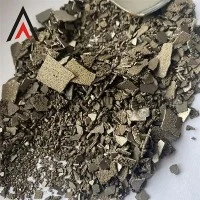
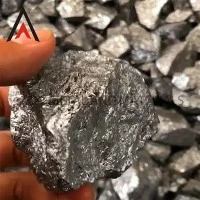
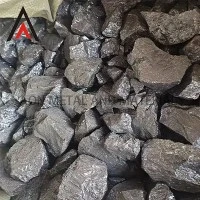
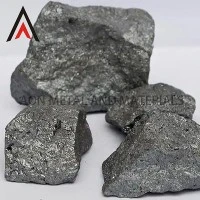
Silicon is one of the most important alloying elements in aluminum die casting. Most die cast alloys, like ADC12 and A380, rely on a set silicon level to work right. The main reasons die casters add silicon metal are:
- Better fluidity. Silicon makes molten aluminum flow easier, so it fills thin ribs, corners and complex die cavities completely before solidifying.
- Higher strength and hardness. Silicon raises the mechanical performance of the casting, which matters for structural and housing parts.
- Wear resistance. Silicon helps castings resist surface wear, useful for engine and mechanical components.
- Less hot tearing. A proper silicon level reduces cracking as the part cools inside the die.
- Dimensional stability. Silicon keeps the casting more consistent, so finished parts stay in tolerance.
In short, silicon sets the castability and performance of the alloy. The purity of the silicon you add decides how clean and stable the melt stays.

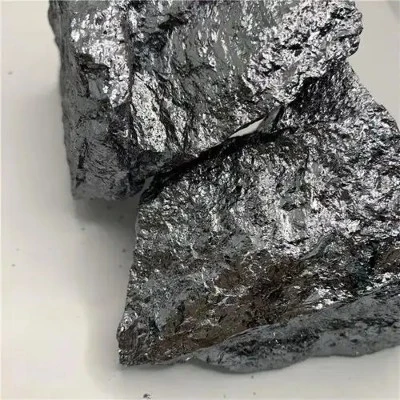
Silicon metal 441 vs Silicon metal 553: How They Differ
The grade number on silicon metal stands for the maximum iron, aluminum and calcium limits in order. That one difference drives most of the behavior. Here is the comparison.
|
Item |
Silicon 441 |
Silicon 553 |
|---|---|---|
|
Silicon min |
99.0% |
98.5% |
|
Iron max |
0.40% |
0.50% |
|
Aluminum max |
0.40% |
0.50% |
|
Calcium max |
0.10% |
0.30% |
|
Typical cost |
Higher |
Lower |
The extra iron and calcium in Silicon metal 553 are the main risk. Iron forms brittle needle phases that hurt ductility. Calcium interferes with modifier response and can create dross. Silicon metal 441 keeps both lower, which is why it is the safer choice for quality parts.
Which to Choose: 441 or 553
There is no single right answer for every plant. The choice depends on your product spec, melt treatment and reject cost. These are the decision points.
- Pick Si441 if you make quality parts. Automotive housings, thin wall electronics shells and safety related castings cannot afford the impurity risk, so 441 is safer.
- Pick Si553 for general mass production. Construction fittings, simple brackets and parts with loose spec can use 553 when your melt station handles dross and filtering well.
- Watch modifier response. The higher calcium in 553 can neutralize strontium or sodium modifiers, causing inconsistent grain and silicon structure.
- Check iron build up. High iron in 553 grade Silicon metal, plus iron pickup from melting, can push the alloy out of spec for tough parts.
- Run a trial batch first. Before switching grades, test on a few heats and watch rejection rate, modifier response and surface quality.
If you are unsure, start with 441 grade Silicon metal. It costs a bit more per ton, but the lower reject loss usually covers the difference for quality work.
How to Choose Size
Size is matched to your feeding method, not to the grade. The common options are:
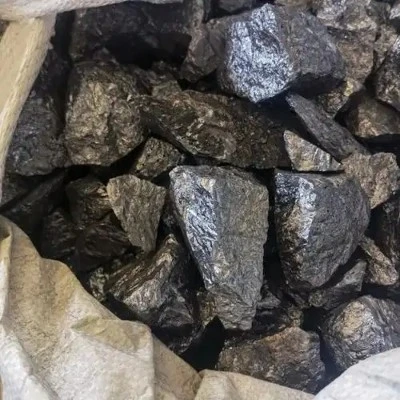
- Lumps for furnace charging. Large pieces sink into the melt and alloy slowly, good for adding silicon during initial melting.
- Granules for steady dosing. Granules feed reliably through hoppers and dosing systems, giving even silicon pickup across heats.
- Fine powder for injection. Powder melts fast and suits automated injection, but it oxidizes into dross if handled wrong.
Match the size to how your line feeds material. And always confirm the percentage of undersized fines in each batch, because too many fines cause dross and silicon loss.

FAQ
Q: Is silicon metal grade 441 always better than silicon metal grade 553 for die casting?
A: Not always. 441 is safer for quality parts because it has less iron and calcium. But if your product spec is loose and your melt treatment is strong, 553 can save cost without hurting quality.
Q: Why does calcium in 553 cause problems?
A: Higher calcium can neutralize the strontium or sodium modifier, so grain refinement and silicon structure become inconsistent. This shows up as variable casting quality.
Q: Can I use 553 for automotive die cast parts?
A: Usually not recommended. Higher iron forms brittle phases and calcium affects modifier response, both of which automotive parts cannot tolerate. Use 441 or higher purity.
Q: What size should I order for die casting?
A: Match it to your feeding system. Lumps for furnace charging, granules for steady dosing, fine powder for injection. Confirm the fines percentage stays low in each batch.
Q: What should I ask my supplier to provide for each batch?
A: Ask for the mill test certificate covering full silicon, iron, aluminum and calcium analysis plus size report and moisture level. This keeps quality consistent shipment to shipment.