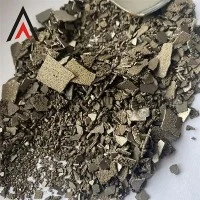
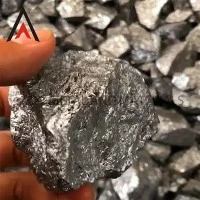
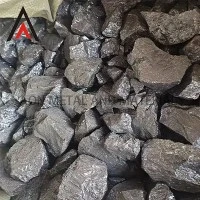
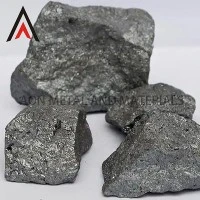
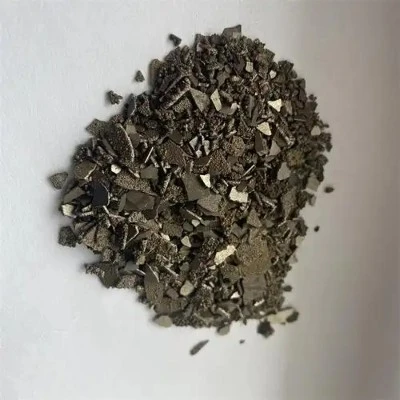
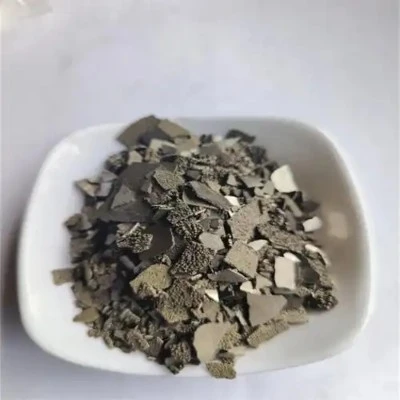
Electrolytic manganese flake is a high purity manganese product made by electrolysis. It comes out as thin, shiny flakes and is one of the cleanest sources of manganese for steel and alloy making. The two common commercial grades are Manganese flakes 99.5% and Manganese flakes 99.7%, named by the minimum manganese content. Many buyers treat them as the same material because the gap looks tiny. In practice, that 0.2% difference can matter a lot, depending on what you make.
Do You Need to Distinguish Between Manganese metal flakes 99.5% and Manganese metal flakes 99.7%?
If your product spec allows a bit more impurity, Mn flakes 99.5% saves cost. If you make high grade steel where sulfur, phosphorus and carbon must stay tight, Mn flakes 99.7% is the safer choice. The distinction is necessary because the two grades are built for different jobs.

Why Manganese Flake Matters in Steelmaking
Manganese is a workhorse alloying element. It adds strength and hardenability, and it helps deoxidize the steel. Electrolytic flake is preferred because it brings manganese without the extra impurities that other sources carry. In high grade steel, the cleanliness of the manganese you add directly affects inclusion control and final mechanical properties. That is why the purity gap between EMM flakes 99.5% and EMM flakes 99.7% can show up in the finished product.
How to Choose Between 99.5% and 99.7%
There is no one size fits all answer. The choice comes down to your spec and your cost target. These are the decision points.
- Match grade to your steel spec. If your spec allows standard impurity levels, 99.5% works and costs less. If sulfur, phosphorus or carbon must stay tight, use 99.7%.
- Check your final product. For high grade steel, aluminum alloys and special alloys, the extra purity of 99.7% is worth it.
- Watch inclusion control. In clean steel, every impurity from the manganese adds to the inclusion load. Tighter purity reduces that risk.
- Run a trial batch first. Before switching grades, test on a few heats and watch inclusion level, mechanical test results and rejection rate.
If you are unsure, check your own spec limits first. Do not pay for 99.7% if your product never needs it, and do not risk 99.5% on a spec that demands more.

FAQ
Q: Is 99.7% always better than 99.5% manganese flake?
A: Not always. 99.7% gives tighter impurity control, which matters for high grade steel. But for general steel where spec allows standard purity, 99.5% saves cost without hurting quality.
Q: What is the main difference between the two grades?
A: It is the impurity limits. 99.7% has tighter carbon, sulfur and phosphorus control, which supports cleaner steel and better inclusion control.
Q: Can I use 99.5% for high grade steel?
A: Usually not recommended. High grade steel needs tight impurity control, and 99.5% may push carbon, sulfur or phosphorus out of spec.
Q: Does manganese flake purity affect inclusion control?
A: Yes. Every impurity in the manganese adds to the inclusion load in clean steel. Tighter purity reduces that risk, which is why 99.7% suits strict specifications.