In today's pursuit of higher-performance cast iron (especially ductile iron and high-end gray cast iron), calcium treatment has become a key process for improving material ductility, purity, and production process stability. Faced with two main forms of calcium silicon alloy addition-traditional block alloys and modern cored wire-foundry managers often face a difficult choice: which is more cost-effective?
First, we must understand the fundamental differences between the two, which determine the fundamental differences in their cost structures.
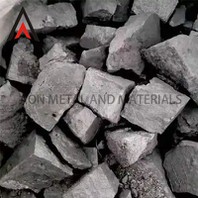
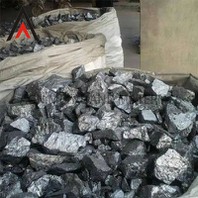
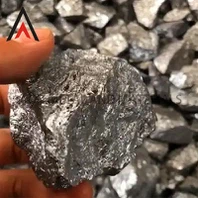
Calcium silicon block alloys: Traditional physical form. Added to ladles or furnaces manually or mechanically, relying on natural dissolution and diffusion. The core cost lies in the unit price of the material.
Calcium silicon cored wire: Composite process product. CaSi alloy powder is wrapped in a continuous steel strip and precisely injected into the molten iron at a controlled speed and depth using a wire feeder. The core cost lies in the system solution of "materials + equipment + process".
Simply comparing the "cost per ton of calcium" is misleading. A true cost-benefit analysis must be based on the "effective cost of calcium," which is the total cost of each unit of calcium that is ultimately absorbed by the molten iron and produces the expected metallurgical effect.


In-depth comparison of comprehensive cost models
| Cost and Benefit Dimensions | Calcium silicon bulk alloy | Calcium silicon cored wire | Analysis and impact on economic benefit |
|---|---|---|---|
| 1. Purchase Price | Low (alloy cost only) | Higher (cost of alloy processing into wire rod) | Apparent Cost: Block alloys appear cheaper. |
| 2. Calcium Yield | Low (10%-25%) exposure to air and slag, severe oxidation and burn-off. | High (25%-40% or even higher) Deeply buried in molten iron, protected reaction, minimal loss. | Core Difference: Cored wire uses more "paid calcium" to actually process molten iron. Assuming the target calcium addition is the same, the actual consumption of cored wire can be reduced by 30%-50%. |
| 3. Labor and Operating Costs | High requires weighing, handling, and input; relies on worker experience; slow speed; poor environment (fumes). | Low cost. Automated wire feeder operation, one-click completion after parameter setting, fast speed, good reproducibility, clean environment. | Cored wire saves labor, increases production cycle time, and reduces quality fluctuations caused by operational differences. |
| 4. Quality and Scrap Rate | Large fluctuations in yield lead to uncontrollable calcium treatment effects, easily resulting in poor inoculation, poor graphite morphology, shrinkage porosity, and a high potential scrap rate. | Stable, excellent, and precise control ensures consistent processing results for each ladle of molten iron, significantly improving graphite spheroidization rate, reducing casting defects, lowering scrap rate, and reducing customer claim risk. | This is the biggest hidden cost saving. The benefit of reducing the scrap rate by 1% often far exceeds the material price difference. |
| 5. Equipment Investment | None or very low (simple tools). | Requires investment in a wire feeder (one-time capital expenditure). | The main obstacle to cored wire production. However, after amortizing equipment depreciation over daily output, its cost is often covered by quality improvements and material savings. |
Simplified formula for calculating "effective calcium cost":
Effective calcium cost = (Total material cost + Operating cost + Quality defect cost) / Total effective calcium absorbed by molten iron
Under this formula, due to the significant advantage of cored wire in the denominator (total effective calcium) and the substantial reduction in operating and quality defect costs in the numerator, its final effective calcium cost may be lower than that of block alloys.


Application Scenarios and Selection Decision Tree
Prefer calcium silicon cored wire if you:
Produce high-performance ductile iron castings (such as wind turbine castings, automotive chassis, and core engine components).
Products have high added value and strict requirements for quality consistency and mechanical properties (especially elongation and impact toughness).
Facing stringent customer quality inspection standards or internal scrap rate pressure.
Pursuing automation, standardization, and traceability in the production process.
Large molten iron processing capacity sufficient to amortize the equipment investment in the wire feeder.
Block alloys may still be an option if you:
produce ordinary gray cast iron or ductile iron parts with low requirements, and have a high tolerance for performance fluctuations.
produce on a small scale with very few batches, making it difficult to recoup your equipment investment.
only perform unconventional, occasional calcium treatment supplementation.
As a professional supplier offering both high-quality casi alloy lumps and casi cored wires in various specifications, [AON Metals] has no intention of simply promoting any particular product. We understand that there is no "best" product, only the "most suitable" solution. Our technical team can assist you in analyzing your current production situation, conducting cost simulations, and providing sample support to help you make the most economical and beneficial decisions for your factory based on data and facts.