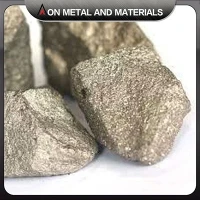
Silicon manganese is a crucial alloy in the steelmaking industry, and its impact on the desulfurization process is significant. As a silicon manganese supplier, I've witnessed firsthand how this alloy plays a vital role in enhancing the quality of steel. Let's dive into how silicon manganese affects the desulfurization process in steelmaking.
Understanding the Desulfurization Process in Steelmaking
Before we talk about silicon manganese, it's important to understand what desulfurization in steelmaking is all about. Sulfur is an impurity in steel that can have a negative impact on its mechanical properties. High sulfur content can lead to brittleness, reduced ductility, and poor weldability. So, getting rid of sulfur is a key step in producing high - quality steel.

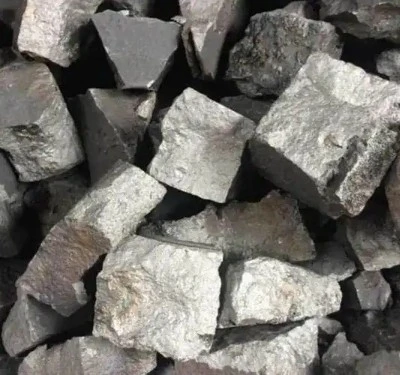
The desulfurization process typically involves adding certain substances to the molten steel. These substances react with sulfur to form sulfides, which can then be removed from the steel. The most common desulfurizing agents are calcium - based compounds, but other elements and alloys also play important roles.
The Role of Silicon Manganese in Desulfurization
Silicon manganese is an alloy composed mainly of silicon, manganese, and iron. When added to molten steel, it can influence the desulfurization process in several ways.
Chemical Reactions
One of the primary ways silicon manganese affects desulfurization is through chemical reactions. Manganese in the alloy can react with sulfur in the steel to form manganese sulfide (MnS). The reaction is as follows:
[Mn + S \rightarrow MnS]
Manganese sulfide has a relatively low melting point and can float to the surface of the molten steel, where it can be easily removed as slag. This helps in reducing the sulfur content in the steel.
Silicon in the alloy also plays a role. It can act as a deoxidizer, removing oxygen from the steel. When oxygen is removed, it can indirectly promote the desulfurization process. Oxygen can compete with sulfur for the desulfurizing agents. By reducing the oxygen content, silicon allows the desulfurizing agents to react more effectively with sulfur.
Impact on Slag Properties
Silicon manganese can also affect the properties of the slag. The slag is a layer that forms on top of the molten steel during the steelmaking process. It plays a crucial role in removing impurities, including sulfur.
When silicon manganese is added to the steel, it can change the viscosity and basicity of the slag. A more fluid and basic slag is more effective at capturing and removing sulfur. The silicon in the alloy can increase the fluidity of the slag, allowing it to better absorb the sulfides formed during the desulfurization process. The manganese can contribute to the basicity of the slag, which enhances its desulfurization ability.
Comparison with Other Steelmaking Materials
There are other materials used in steelmaking, such as Ferro Manganese and Ferro Manganese Steelmaking Material. While these materials also have their roles in steelmaking, silicon manganese has some unique advantages when it comes to desulfurization.
Ferro manganese mainly contains manganese and iron. It is also used for deoxidation and alloying in steelmaking. However, compared to silicon manganese, it may not have the same effect on slag properties. Silicon in silicon manganese helps in improving the fluidity of the slag, which is crucial for efficient desulfurization.
ferro silicon manganese is another alloy. It contains silicon, manganese, and iron, similar to silicon manganese. But the proportion of elements can vary, and silicon manganese may be more optimized for desulfurization in some cases. The specific composition of silicon manganese allows for a more balanced reaction with sulfur and a better impact on slag properties.
Factors Affecting the Effectiveness of Silicon Manganese in Desulfurization
The effectiveness of silicon manganese in the desulfurization process can be influenced by several factors.
Temperature
The temperature of the molten steel is a critical factor. Higher temperatures generally promote faster chemical reactions. When the temperature is high, the reaction between manganese and sulfur to form manganese sulfide occurs more quickly. However, extremely high temperatures can also cause other issues, such as increased evaporation of some elements in the alloy. So, there is an optimal temperature range for using silicon manganese in desulfurization.
Alloy Composition
The composition of the silicon manganese alloy itself matters. The ratio of silicon to manganese can affect its performance. A well - balanced alloy with the right amounts of silicon and manganese will be more effective in desulfurization. If the alloy has too much silicon or too much manganese, it may not react with sulfur as efficiently or may not have the desired impact on slag properties.
Steel Composition
The initial composition of the steel also plays a role. Different types of steel have different sulfur contents and other impurity levels. The presence of other elements in the steel can affect the reaction between silicon manganese and sulfur. For example, some elements may react with the desulfurizing agents or the alloy, reducing their effectiveness.
Benefits of Using Silicon Manganese in Desulfurization
Using silicon manganese in the desulfurization process offers several benefits.
Improved Steel Quality
By reducing the sulfur content, silicon manganese helps in producing steel with better mechanical properties. The steel becomes more ductile, less brittle, and has better weldability. This makes it suitable for a wider range of applications, from construction to automotive manufacturing.
Cost - Effectiveness
Silicon manganese is a relatively cost - effective alloy compared to some other desulfurizing agents. It can be produced in large quantities, and its use in the desulfurization process can lead to overall cost savings in steelmaking.
Environmental Benefits
Desulfurization is not only important for steel quality but also for environmental reasons. Reducing the sulfur content in steel reduces the emissions of sulfur dioxide during the steelmaking process. Sulfur dioxide is a major air pollutant, and by using silicon manganese to desulfurize steel, we can contribute to a cleaner environment.
Conclusion
Silicon manganese is a game - changer in the desulfurization process of steelmaking. Its ability to react with sulfur, influence slag properties, and improve steel quality makes it an essential alloy in the industry. As a silicon manganese supplier, I'm proud to offer a product that plays such a crucial role in producing high - quality steel.
If you're in the steelmaking business and looking for a reliable silicon manganese supplier, I'd love to talk to you. Whether you have questions about the alloy, its application in desulfurization, or are interested in a purchase, don't hesitate to reach out. We can discuss your specific needs and find the best solution for your steelmaking process.
References
- Smith, J. (2018). Steelmaking Alloys: A Comprehensive Guide. Publisher X.
- Johnson, R. (2019). Desulfurization Techniques in Steel Production. Journal of Metallurgy, 25(3), 123 - 135.
- Brown, A. (2020). The Role of Silicon Manganese in Modern Steelmaking. Steel Industry Review, 40(2), 45 - 52.