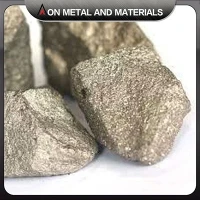
Alright, folks! As a CaSi cored wire supplier, I'm stoked to share with you how to install CaSi cored wire in the steelmaking process. It's a crucial step that can significantly enhance the quality of the steel you produce. So, let's dive right in!
Understanding CaSi Cored Wire
First off, what exactly is CaSi cored wire? Well, it's a type of cored wire that contains calcium and silicon. These elements play a vital role in steelmaking. Calcium helps in desulfurization, which means it removes sulfur from the steel. Sulfur can make steel brittle, so getting rid of it is super important. Silicon, on the other hand, acts as a deoxidizer. It removes oxygen from the steel, preventing the formation of oxides that can weaken the steel.
There are different types of CaSi cored wire available. For example, you've got the Ferro Silicon Calcium Cored Wire. This wire is great for adding both calcium and silicon to the steel in a controlled manner. Then there's the Calcium Silicon Cored Wire 6030, which has a specific composition of 60% calcium and 30% silicon, making it suitable for certain steelmaking processes. And of course, the CaSi Wire is a general term for all these calcium - silicon cored wires.
Pre - Installation Preparations
Before you start installing the CaSi cored wire, you need to do some prep work. First, check the quality of the wire. You don't want to use wire that's damaged or has impurities. Look for any signs of rust, dents, or breaks in the wire. If you find any issues, don't use that batch.
Next, make sure your steelmaking equipment is in good working condition. The wire feeder, which is the machine that will insert the cored wire into the molten steel, should be properly maintained. Check the rollers, the guides, and the drive system. Make sure they're clean and lubricated. A malfunctioning wire feeder can lead to uneven wire feeding, which can affect the quality of the steel.
Also, you need to determine the right amount of CaSi cored wire to use. This depends on the type of steel you're making, the size of the melt, and the desired chemical composition of the final product. You can use some steelmaking formulas or consult with an expert to figure this out.
Installation Process
Now, let's get to the installation part. The first thing you need to do is set up the wire feeder. Place the spool of CaSi cored wire on the feeder. Make sure the wire can unwind smoothly without getting tangled. Thread the wire through the rollers and guides of the feeder. Adjust the tension of the rollers so that the wire is fed at a consistent speed.
When the steel is in the ladle or the furnace, it's time to start feeding the CaSi cored wire. The wire should be fed into the molten steel at a specific depth. Usually, it's recommended to feed the wire deep enough so that it can react with the steel effectively. But be careful not to go too deep, as it can cause splashing and other safety issues.
The feeding speed is also crucial. You don't want to feed the wire too fast or too slow. If you feed it too fast, the wire may not have enough time to melt and react with the steel. On the other hand, if you feed it too slow, the process will take longer, and it may not be as efficient. A typical feeding speed can range from a few meters per minute to tens of meters per minute, depending on the specific situation.
As the wire is being fed, you need to monitor the process closely. Watch for any signs of problems, such as the wire getting stuck in the feeder or the steel splashing. If you notice any issues, stop the feeding immediately and fix the problem.
Post - Installation Checks
After you've finished feeding the CaSi cored wire, there are still some things you need to do. First, check the chemical composition of the steel. You can take a sample of the steel and analyze it in a lab. Make sure the levels of calcium and silicon in the steel are within the desired range. If they're not, you may need to adjust the process for the next batch.
Also, check the quality of the steel in terms of its mechanical properties. Test the steel for hardness, strength, and ductility. If the steel doesn't meet the quality standards, you may need to review the installation process and make some improvements.
Troubleshooting
Sometimes, things don't go as planned during the installation of CaSi cored wire. Here are some common problems and how to fix them:
Wire Jamming: If the wire gets jammed in the feeder, stop the machine immediately. Check for any obstructions in the rollers or guides. Remove any debris or bent wire that may be causing the problem. Then, re - thread the wire and start the feeder again.
Inconsistent Feeding: If the wire is not being fed at a consistent speed, check the tension of the rollers. Adjust the tension so that the wire is pulled evenly. Also, make sure the drive system of the feeder is working properly.
Poor Reaction: If the calcium and silicon in the wire don't seem to be reacting effectively with the steel, it could be due to the feeding depth or speed. Try adjusting these parameters to see if it improves the reaction.
Why Choose Our CaSi Cored Wire
As a CaSi cored wire supplier, we take pride in offering high - quality products. Our wires are made with the purest calcium and silicon, ensuring optimal performance in steelmaking. We have a strict quality control system in place, so you can be confident that you're getting a reliable product.
We also offer excellent customer service. Our team of experts is always ready to help you with any questions you may have about the installation process or the product itself. Whether you're a small - scale steelmaker or a large industrial plant, we can provide you with the right amount of CaSi cored wire at a competitive price.

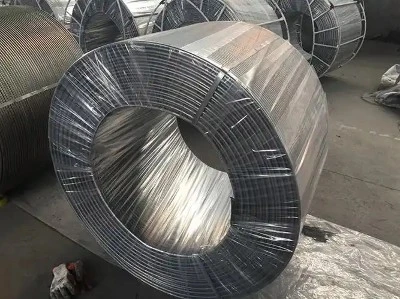
Contact Us for Purchase
If you're interested in purchasing CaSi cored wire for your steelmaking process, don't hesitate to get in touch. We're here to discuss your specific needs and help you find the best solution. Whether you need a one - time supply or a long - term contract, we can work with you to meet your requirements.
References
- Smith, J. (2018). Steelmaking Basics. Steel Industry Press.
- Johnson, A. (2020). Advanced Cored Wire Applications in Steelmaking. Metallurgical Journal.