

As a supplier of FeSi Nodulierer, I've seen firsthand how this little - known additive can have a huge impact on the magnetic properties of castings. In this blog, I'm going to break down exactly how FeSi Nodulierer works its magic and why it's a game - changer for anyone working with castings.
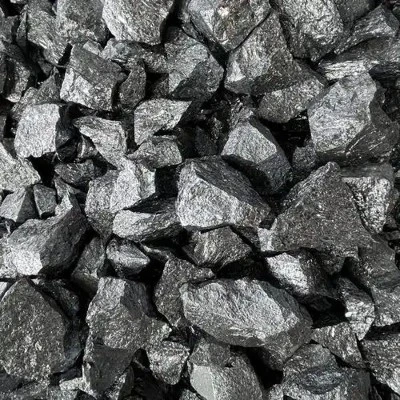
First off, let's talk about what FeSi Nodulierer is. It's an alloy mainly composed of iron and silicon, and it also contains some other elements. This alloy is used as a nodulizer in the casting process. When added to molten metal, it helps to transform graphite flakes in the cast iron into graphite nodules. Why is this important? Well, the shape and distribution of graphite in castings play a crucial role in determining the casting's properties, including its magnetic characteristics.
Graphite in cast iron can exist in different forms. The traditional flake - shaped graphite has a relatively large surface area and a complex structure. This structure creates a lot of interfaces and defects within the casting, which can disrupt the magnetic domain structure. When a magnetic field is applied, the magnetic domains in the casting have a hard time aligning properly due to these graphite flakes. As a result, the casting may have poor magnetic permeability, which means it's less effective at conducting magnetic fields.

On the other hand, when FeSi Nodulierer is added, it promotes the formation of graphite nodules. These nodules are more spherical in shape and are evenly distributed throughout the casting. The spherical shape of the graphite nodules reduces the number of interfaces and defects in the casting. This allows the magnetic domains to align more easily when a magnetic field is applied. As a result, the casting has a higher magnetic permeability, which means it can conduct magnetic fields more efficiently.
Another aspect to consider is the influence of FeSi Nodulierer on the microstructure of the casting matrix. The addition of FeSi Nodulierer can change the composition and structure of the matrix around the graphite nodules. It can refine the grain size of the matrix, which also has a positive effect on the magnetic properties. A finer grain size means that the magnetic domains have less distance to travel and fewer obstacles to overcome when aligning with an external magnetic field. This leads to a more stable and stronger magnetic response from the casting.
Now, I want to mention some other related products that might be of interest to you if you're involved in casting. For example, Bentonite is often used as a binder in sand molds for casting. It helps to hold the sand particles together and provides a smooth surface for the molten metal to flow into. Ferro Boron Powder can be added to castings to improve their hardness and wear resistance. Petroleum Coke is a carbon - rich fuel that can be used in the melting process of metals. FerroSilicon Silicon Slag and Silicon Slag 60 can also be useful in the casting process, as they can adjust the silicon content in the molten metal.
The amount of FeSi Nodulierer added is also crucial. If too little is added, the transformation of graphite flakes to nodules may not be complete, and the magnetic properties of the casting won't be improved significantly. On the other hand, if too much is added, it can lead to some unwanted effects. For instance, excessive FeSi Nodulierer can cause an increase in impurities in the casting, which may actually degrade the magnetic properties. So, finding the right dosage is a matter of careful experimentation and experience.
In addition to the magnetic permeability, FeSi Nodulierer can also affect the coercivity of the casting. Coercivity is the amount of magnetic field required to reverse the magnetization of a material. With the use of FeSi Nodulierer, the coercivity of the casting can be reduced. This is beneficial in applications where you need the casting to be easily magnetized and demagnetized, such as in transformers and magnetic sensors.
The temperature during the addition of FeSi Nodulierer is another factor to keep in mind. The optimal temperature range for adding the nodulizer is usually quite specific. If the temperature is too low, the nodulizer may not dissolve properly in the molten metal, and the formation of graphite nodules will be affected. If the temperature is too high, the nodulizer may react too quickly, leading to uneven distribution of the nodules in the casting.
When it comes to different types of castings, FeSi Nodulierer can have varying degrees of impact on their magnetic properties. For example, ductile cast iron is a type of casting that benefits greatly from the use of FeSi Nodulierer. Ductile cast iron already has better mechanical properties compared to traditional gray cast iron, and the addition of FeSi Nodulierer can further enhance its magnetic performance. In contrast, some high - alloy castings may require a more customized approach when using FeSi Nodulierer, as the other alloying elements can interact with the nodulizer in complex ways.
If you're in the business of making castings and are looking to improve the magnetic properties of your products, FeSi Nodulierer is definitely worth considering. It's a relatively simple and cost - effective way to make a big difference in the performance of your castings. Whether you're producing small components for electronic devices or large industrial parts, the benefits of using FeSi Nodulierer can be significant.
If you're interested in learning more about FeSi Nodulierer or are thinking about purchasing it for your casting process, don't hesitate to reach out. We can provide you with detailed product information, technical support, and samples so that you can test it in your own production environment. Let's work together to take your casting products to the next level!
References
- Smith, J. (2018). "Advances in Casting Technology". Publisher: Casting World Press.
- Johnson, A. (2020). "Magnetic Properties of Metals and Alloys". Journal of Metallurgy Research, 15(2), 45 - 58.


