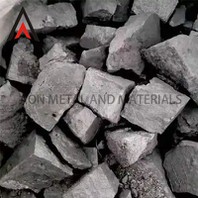
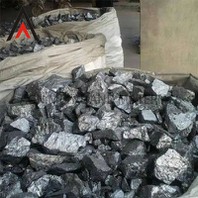
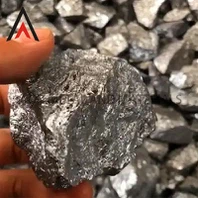
Silicon metal is the cornerstone of high-quality aluminum alloy production, directly influencing the alloy's strength, castability, corrosion resistance, and machining performance. Among the most widely used industrial grades-silicon metal 553, silicon metal 441, and silicon metal 3303-each is defined by its impurity content (iron, aluminum, calcium) and silicon purity, which dictate their suitability for different aluminum alloy applications. For aluminum manufacturers, foundries, and procurement professionals, selecting the correct silicon metal grade is critical to balancing production costs, product quality, and process stability.


Understanding Silicon Metal Grade Nomenclature: What the Numbers Mean
First, it's essential to decode how silicon metal grades are named-this naming system directly reflects their impurity composition, the primary factor distinguishing Silicon553, ilicon441, and ilicon3303. The three (or four) digits in the grade represent the maximum allowable content (in tenths of a percent, %) of three key impurities, in the order of iron (Fe), aluminum (Al), and calcium (Ca).
For example:
"553" grade means maximum 0.5% Fe, 0.5% Al, and 0.3% Ca.
"441" grade means maximum 0.4% Fe, 0.4% Al, and 0.1% Ca.
"3303" grade means maximum 0.3% Fe, 0.3% Al, and 0.03% Ca (the "0" acts as a placeholder for precision, ensuring clarity on calcium content).
All three grades have a minimum silicon purity of 98.5% or higher, with impurities being the primary driver of performance differences in aluminum alloy production. Notably, lower impurity levels typically mean higher production costs-but also better alloy quality and process consistency for demanding applications.
Core Specifications: Chemical Composition of 553, 441, and 3303
The chemical composition of silicon metal grades is non-negotiable for aluminum alloy production, as even trace impurities can compromise the alloy's properties (e.g., brittleness from excess iron, porosity from calcium oxides). Below is a detailed breakdown of the standard specifications for Si553, Si441, and Si3303, aligned with global industrial standards and common supplier offerings:
|
Specification |
Silicon Metal 553 |
Silicon Metal 441 |
Silicon Metal 3303 |
Key Impact on Aluminum Alloys |
|---|---|---|---|---|
|
Silicon (Si) Minimum |
98.5% |
99.0% |
99.3% |
Higher Si purity improves alloy strength and castability; reduces impurities that cause defects. |
|
Iron (Fe) Maximum |
0.5% |
0.4% |
0.3% |
Excess Fe forms brittle intermetallic phases (FeAl₃, Fe₂SiAl₈), reducing alloy ductility and machinability. |
|
Aluminum (Al) Maximum |
0.5% |
0.4% |
0.3% |
Aluminum impurities can increase alloy hardness but may reduce corrosion resistance in marine/aerospace applications. |
|
Calcium (Ca) Maximum |
0.3% |
0.1% |
0.03% |
Ca reacts with oxygen to form oxides, causing porosity in castings; lower Ca ensures smoother melting and fewer defects. |
|
Other Impurities (P, S) Maximum |
0.05% total |
0.03% total |
0.02% total |
Phosphorus (P) and sulfur (S) cause brittleness; critical for high-tolerance aluminum components. |
|
Physical Form |
Lumps (10–50mm), granules (1–10mm) |
Lumps (10–50mm), granules (1–10mm), powder |
Lumps (10–50mm), fine granules, powder |
Form depends on melting method (lumps for induction furnaces, powder for continuous casting). |


Performance in Aluminum Alloy Production: How Each Grade Performs
The impurity differences between 553, 441, and 3303 translate to distinct performance in aluminum alloy melting, casting, and finishing. Below is a grade-by-grade breakdown of their strengths, limitations, and ideal use cases in aluminum alloy production:
3.1 Silicon Metal 553: Cost-Effective for Standard Aluminum Alloys
Silicon metal 553 is the most economical and widely used grade for aluminum alloy production, ideal for cost-sensitive applications where strict impurity control is not critical. Its balanced silicon purity and moderate impurity levels make it a workhorse for standard cast and wrought aluminum alloys.
3.2 Silicon Metal 441: Balanced Quality for Mid-Range High-Performance Alloys
Silicon metal 441 is the most versatile grade for aluminum alloy production, striking a balance between cost and quality. With lower impurities than 553 (especially Ca, reduced to 0.1%), it delivers better process stability and alloy performance, making it the preferred choice for most mid-range high-performance applications.
3.3 Silicon Metal 3303: Ultra-Low Impurities for Premium Aluminum Alloys
Silicon metal 3303 is the premium grade for aluminum alloy production, characterized by ultra-low impurity levels (Fe ≤ 0.3%, Al ≤ 0.3%, Ca ≤ 0.03%) and high silicon purity (≥ 99.3%). It is engineered for the most demanding applications where alloy performance, precision, and durability are non-negotiable.
Selection Guide: How to Choose the Right Grade for Your Aluminum Alloy
Selecting between 553, 441, and 3303 depends on three key factors: alloy application, quality requirements, and production cost. Use this practical guide to make an informed decision, tailored to aluminum alloy production needs:
4.1 When to Choose Silicon Metal 553
- Your application is cost-sensitive (e.g., consumer goods, standard construction components).
- You're producing standard cast/wrought aluminum alloys with moderate performance requirements (no extreme ductility or corrosion resistance needs).
- You're using secondary aluminum scrap and need to adjust silicon content economically.
- Example: Manufacturing aluminum cookware, furniture frames, or basic automotive brackets.
4.2 When to Choose Silicon Metal 441
- You need a balance of cost and quality (mos
t common choice for mid-range high-performance alloys).
- Your alloy requires good ductility, machinability, and minimal casting defects (e.g., automotive engines, precision castings).
- You're producing heat-treatable or weldable aluminum alloys for industrial or automotive use.
- Example: Manufacturing automotive cylinder heads, transmission parts, or marine hardware (non-extreme environments).
4.3 When to Choose Silicon Metal 3303
- Your application demands ultra-high quality, precision, and durability (e.g., aerospace, military, premium automotive).
- You're producing alloys for extreme environments (saltwater, high temperatures, high stress).
- Your castings require near-perfect surface quality and zero defects (no porosity, no inclusions).
- Example: Manufacturing aircraft structural parts, racing engine components, or marine propellers.


Common Mistakes to Avoid When Selecting Silicon Metal Grades
Many aluminum alloy producers make costly mistakes when choosing silicon metal grades. Here are the most common pitfalls to avoid:
- Over-Specifying:
Using 3303 for standard applications (e.g., consumer goods) wastes money-553 or 441 will suffice.
- Under-Specifying:
Using 553 for high-performance alloys (e.g., automotive engines) leads to defects, rework, and increased scrap rates (scrap rates can rise from 3% to 8% with improper grade selection).
- Ignoring Impurity Ratios:
Focusing only on silicon purity and neglecting Fe, Al, and Ca levels-these impurities have a bigger impact on alloy performance than minor differences in silicon content.
Silicon metal grades 553, 441, and 3303 each play a unique role in aluminum alloy production, with their impurity levels and silicon purity dictating their suitability for different applications. Silicon metal 553 is the cost-effective workhorse for standard alloys; 441 is the versatile balance of quality and cost for mid-range high-performance alloys; and 3303 is the premium choice for ultra-high-tolerance, durable alloys.
By understanding the key differences in chemical composition, performance, and applications, aluminum alloy producers can select the right grade to balance cost, quality, and process stability-reducing scrap rates, improving product performance, and optimizing production efficiency.