

Silicon Metal 553 is a widely used alloying additive in aluminum alloy production, valued for its balanced purity, cost-effectiveness, and compatibility with most aluminum alloy grades. Its name "553" refers to the maximum allowable impurity content: ≤0.5% iron (Fe), ≤0.5% aluminum (Al), ≤0.3% calcium (Ca)-a standard specification that ensures stable performance in aluminum alloy smelting. Selecting the right Silicon 553 is critical to improving aluminum alloy fluidity, strength, and processability, while avoiding defects like inclusions or brittleness.

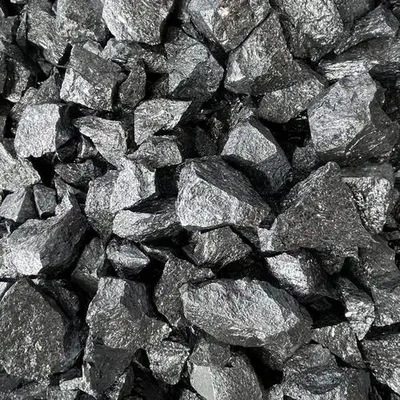
Understand Silicon Metal 553's Core Role in Aluminum Alloys
Before selection, clarify why Si553 is the preferred choice for aluminum alloys (especially casting and extrusion grades):
Boosts fluidity: Silicon lowers the aluminum alloy's melting point, improving its flow during casting-critical for complex-shaped parts (e.g., automotive components, die-cast parts).
Enhances strength: Forms a solid solution with aluminum, increasing the alloy's hardness and tensile strength without sacrificing ductility.
Cost-efficient: Balances purity and price, making it ideal for mass-produced aluminum alloys (e.g., 6061, A356, ADC12) where high-purity silicon (e.g., 99.9%+) is unnecessary.
Key Selection Criteria
Focus on these non-negotiable criteria to ensure Silicon Metal 553 matches your aluminum alloy production needs:
Purity & Impurity Control
Strictly adhere to the 553 specification-any deviation will harm aluminum alloy quality:
Silicon (Si) content: ≥98.7% (minimum, to ensure alloying effect).
Impurity limits: Fe ≤0.5%, Al ≤0.5%, Ca ≤0.3% (excess Fe causes hard inclusions; excess Ca leads to brittleness).
Avoid trace impurities: Pb, As, and Sb should be ≤0.01% each-these contaminants reduce the alloy's corrosion resistance.
Size Matching
Select size based on your smelting method (foreign buyers prioritize this for production efficiency):
Casting aluminum alloys: 10-50mm (uniform particles, fast melting, low burning loss).
Extrusion aluminum alloys: 3-15mm (finer particles for uniform mixing, ideal for small to medium furnaces).
Avoid mixed sizes: Uneven particles cause inconsistent melting and silicon distribution in the alloy.
Physical Quality
Inspect the physical state to avoid hidden defects:
No moisture or oxidation: Oxidized silicon (SiO₂) reduces alloying efficiency and causes porosity in castings.
No clumping: Agglomerated particles are hard to melt, leading to uneven silicon content in the alloy.
Smooth surface: Free of cracks, impurities, or foreign materials (e.g., soil, metal scraps).


Match to Aluminum Alloy Grades
Silicon Metal 553 is not one-size-fits-all-match it to your target aluminum alloy grade:
|
Aluminum Alloy Grade |
Silicon Requirement |
Why Silicon Metal 553 Works |
|---|---|---|
|
A356 (Casting Alloy) |
6.5-7.5% Si |
Low impurities ensure casting fluidity and reduce defects |
|
6061 (Extrusion Alloy) |
0.4-0.8% Si |
Balanced purity boosts strength without affecting extrusion |
|
ADC12 (Die-Cast Alloy) |
9.5-12.0% Si |
Cost-effective, stable melting for mass die-casting |
Selecting Silicon Metal Grade 553 for aluminum alloys boils down to three core steps: verifying silicon553 purity/impurity limits, matching size to your smelting process, and aligning with your target aluminum alloy grade. By following these practical criteria, you'll ensure stable alloy performance, reduce production defects, and maximize cost-efficiency-all while meeting global industry standards. This guide provides actionable insights for steelmakers, foundries, and aluminum alloy manufacturers worldwide.


