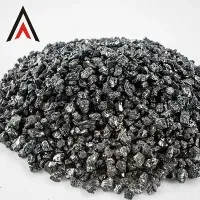
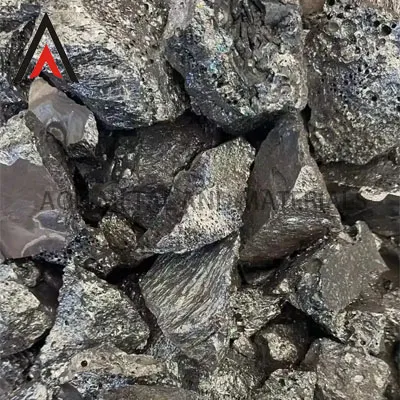
Silicon Carbide (SiC) is a high-performance industrial material known for its extreme hardness, excellent thermal stability, chemical inertness, and wear resistance. It is widely used in metallurgy, refractory manufacturing, abrasive processing, advanced ceramics, and semiconductor industries. However, silicon carbide is produced in multiple grades, and each grade differs significantly in purity, physical properties, and applicable scenarios.
Choosing the wrong SiC grade will result in unstable product quality, low processing efficiency, and increased production costs.

Overview of Main Silicon Carbide Grades
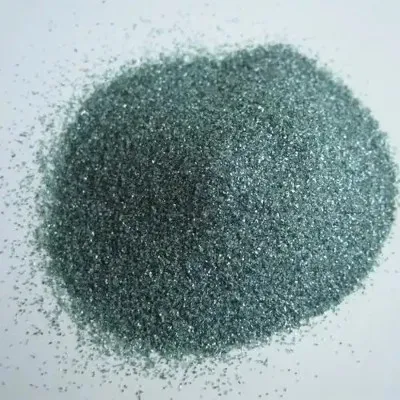
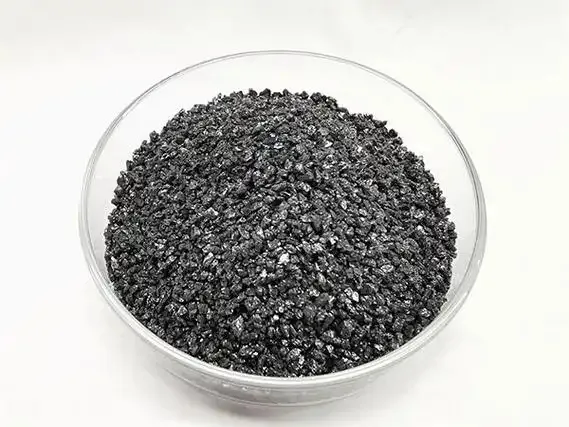
Industrial silicon carbide is divided into three mainstream grades: metallurgical silicon carbide, black silicon carbide, and green silicon carbide. Each grade has fixed purity ranges, mechanical properties, and core advantages.
|
SiC Grade |
Main Purity |
Core Features |
Advantages |
|---|---|---|---|
|
Metallurgical Silicon Carbide |
70%–90% SiC |
High chemical activity, medium purity, low cost |
Strong deoxidation and carburizing effect, cost-effective for large-scale smelting |
|
Black Silicon Carbide |
95%–97% SiC |
High hardness, strong toughness, wear-resistant |
Not easy to break during grinding, excellent for general abrasives and refractories |
|
Green Silicon Carbide |
98%–99% SiC |
Ultra-high purity, sharp cutting, chemical stability |
Self-sharpening performance, no contamination, suitable for precision processing |
Industry-by-Industry SiC Grade Selection Guide
Different industries have distinct requirements for purity, hardness, toughness, and high-temperature resistance. The following guide matches the most suitable silicon carbide grade for each industrial scenario.
Steelmaking & Foundry Industry
Best Choice: Metallurgical Silicon Carbide
Steel mills and foundries require strong deoxidation, desulfurization, and carbon-silicon adjustment capabilities. Metallurgical-grade SiC reacts rapidly in molten steel, reduces oxide inclusions, improves molten iron fluidity, and minimizes casting defects such as porosity and shrinkage cavities.
It is the most cost-effective option for mass production of carbon steel, low-alloy steel, gray iron, and ductile iron.
Abrasive & Surface Polishing Industry
General Metal Grinding: Black Silicon Carbide
Black SiC has excellent toughness and impact resistance. It is widely used for grinding stainless steel, cast iron, stone, and metal surface blasting. It is the primary material for grinding wheels, abrasive belts, and sandpapers for industrial rough and medium grinding.
Precision & Ultra-Fine Grinding: Green Silicon Carbide
Green SiC features higher purity and sharper cutting edges. It is ideal for precision processing of hard alloys, ceramics, glass, titanium alloys, and optical components. It provides uniform polishing effect without scratching high-precision surfaces.
Refractory & High-Temperature Furnace Industry
Best Choice: High-Density Black Silicon Carbide
Black silicon carbide offers outstanding thermal shock resistance and high-temperature oxidation resistance. It maintains stable structural strength under 1300°C–1600°C long-term high-temperature conditions. It is widely used for SiC refractory bricks, furnace linings, and high-temperature kiln structural parts to extend furnace service life.
Advanced Ceramic Industry
Best Choice: Green Silicon Carbide
High-purity green SiC has uniform particle size, low impurity content, and stable chemical properties. It is the core raw material for wear-resistant ceramics, heat dissipation ceramics, and structural ceramic components. It effectively improves ceramic density, bending strength, and corrosion resistance.
Electronics & Semiconductor Industry
Best Choice: Ultra-High Purity Green Silicon Carbide
Semiconductor and new energy industries require zero impurity contamination. Ultra-purity green silicon carbide is used for wafer cutting, substrate polishing, and chip surface treatment due to its stable thermal conductivity and ultra-low impurity characteristics.

Quick Reference: Industry & SiC Grade Matching Table
|
Industry Application |
Recommended SiC Grade |
Why It Fits |
|---|---|---|
|
Steelmaking & Foundry |
Metallurgical SiC |
High activity, strong deoxidation, low cost for mass smelting |
|
General Abrasives & Blasting |
Black SiC |
High toughness, wear-resistant, not easy to break during grinding |
|
Precision Grinding & Polishing |
Green SiC |
Sharp cutting, self-sharpening, no surface scratching |
|
High-Temperature Refractories |
Black SiC (high density) |
Excellent thermal stability and shock resistance |
|
Advanced Ceramics |
Green SiC |
High purity, uniform particles, improves ceramic strength |
|
Semiconductor & Electronics |
Ultra-pure Green SiC |
Zero contamination, stable thermal performance |
Key Selection Principles for Buyers
To avoid wrong selection and production losses, global manufacturers should follow these core principles:
- Match purity with application: Low-purity metallurgical SiC for smelting; 98%+ high-purity SiC for precision and electronic industries.
- Balance hardness and toughness: Choose black SiC for toughness, green SiC for ultra-high hardness and precision cutting.
- Control particle consistency: Uniform size ensures stable grinding, sintering, and smelting effects.
- Verify batch quality: Always check CoA reports for SiC content, fixed carbon, and impurity data before bulk purchasing.
Selecting the right silicon carbide grade depends entirely on industrial application, purity requirements, and working conditions. Metallurgical SiC is the ideal cost-effective option for steelmaking and foundry production. Black SiC is widely used in general abrasives and refractory industries. Green SiC serves high-end precision grinding, advanced ceramics, and semiconductor manufacturing.
By matching the correct SiC grade for specific production scenarios, manufacturers can stabilize product quality, reduce defective rates, and optimize overall production costs, achieving higher production efficiency and economic benefits.