

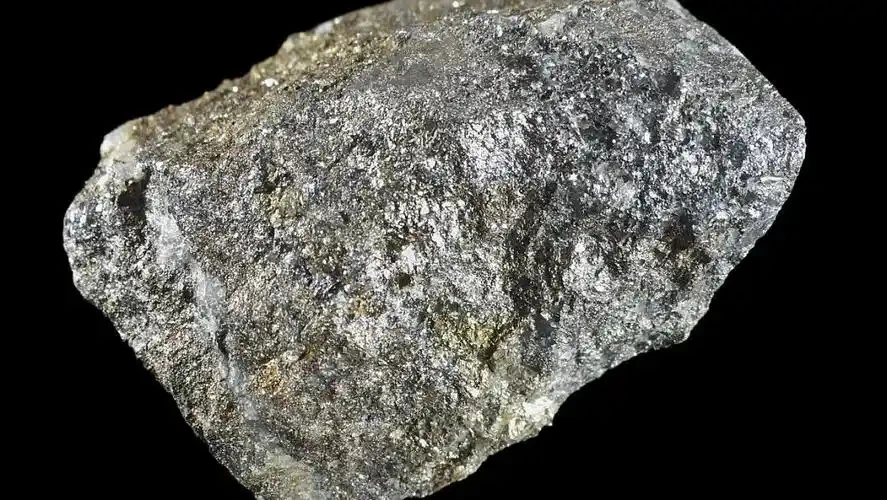
Ferrophosphorus alloys are usually produced using electric furnace smelting methods, which mainly include raw material preparation, batching, high-temperature smelting, slag removal, casting, crushing and classification. The details are as follows:
1
Raw material preparation
The main raw materials are phosphate ore, iron ore or scrap steel, coke (as a reducing agent) and limestone (as a flux). Phosphorus ore provides phosphorus for ferro phosphorus alloy, iron ore or scrap steel is the source of iron, coke is used to reduce the oxides in phosphate ore and iron ore at high temperature, and limestone helps to reduce the melting point and viscosity of slag, making the smelting process smoother.

2
Batching
According to the composition requirements of the product, the proportion of various raw materials is accurately calculated and adjusted. Generally speaking, it is necessary to ensure that the proportion between phosphate ore, iron ore or scrap steel, coke and limestone is appropriate to ensure that they can fully react during the smelting process to generate FeP alloy that meets the requirements.

3
High-temperature smelting
Add the prepared raw materials into the electric furnace, which provides a high-temperature environment to cause a series of chemical reactions in the raw materials. At a high temperature of 1500-1600℃, phosphorus pentoxide in phosphate ore is reduced by coke to generate gases such as phosphorus vapor and carbon monoxide. At the same time, iron ore or scrap steel is also reduced to iron, and phosphorus vapor interacts with iron to form ferrophosphorus alloy.

4
Slag removal
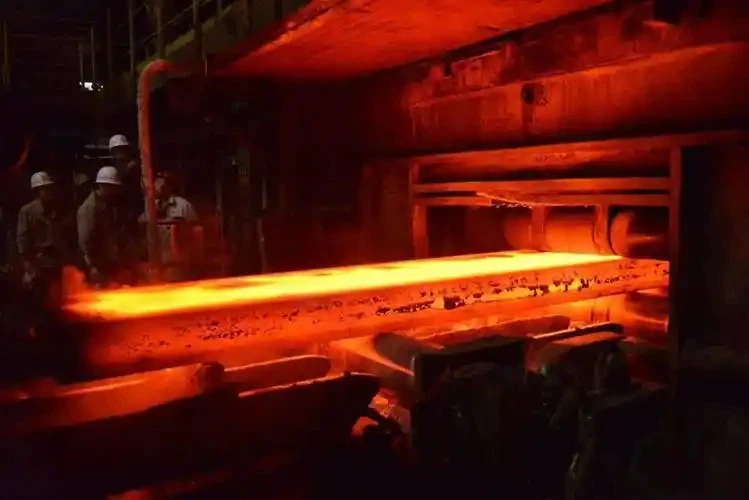
Slag is produced during the smelting process, and it is necessary to separate the slag from the ferrophosphorus alloy. Slag is mainly composed of silicates, aluminates and other substances generated by the reaction of limestone with impurities in the ore. Through appropriate slag removal processes, such as dumping, filtering or using special slag removal equipment, the slag is discharged from the electric furnace to obtain a relatively pure phosphorus iron alloy melt.
5
Casting
The ferrophosphorus alloy melt after slag removal is poured into a specific mold to cool and solidify it. The shape and size of the mold are designed according to the requirements of the product, which can be lump, ingot or other shapes. During the casting process, it is necessary to control the cooling rate to avoid defects such as cracks and pores in the alloy.

6
Crushing and grading
The ferrophosphorus alloy lumps obtained by casting usually need to be crushed and graded to meet the needs of different users. The alloy lumps are crushed into smaller particles by a crusher, and then graded and screened according to the size of the particles to obtain phosphorus ferro alloy products of different sizes.
In the production process, in order to achieve green production, modern ferrophosphorus alloy manufacturers will also take a series of environmental protection measures, such as using semi-dry desulfurization to purify waste gas to meet SO2 emission standards; making water-quenched slag into cement admixtures to achieve comprehensive utilization of waste slag; using waste heat to generate electricity to improve energy utilization, etc.


