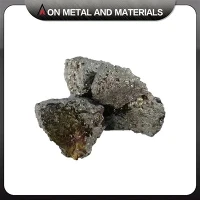
Testing the quality of Ferro Phosphorus is a crucial process for any supplier, as it directly impacts the performance and reliability of the end products. In my role as a Ferro Phosphorus supplier, I understand the significance of ensuring that the product meets the highest standards. This blog will delve into the various methods and considerations for testing the quality of Phosphorus Iron.
1. Chemical Composition Analysis
One of the primary aspects of testing Phosphorus Ferro is analyzing its chemical composition. This involves determining the percentage of phosphorus, iron, and other elements present in the alloy. The chemical composition directly affects the physical and chemical properties of the Iron Phosphorus , such as its strength, hardness, and corrosion resistance.
Spectroscopic Analysis
Spectroscopic analysis is a widely used method for determining the chemical composition of FeP alloy. This technique involves using a spectrometer to measure the emission or absorption of light by the sample. By analyzing the wavelengths of light emitted or absorbed, the concentration of different elements can be accurately determined.
Wet Chemical Analysis
Wet chemical analysis is another traditional method for analyzing the chemical composition of Ferro Phosphorus. This involves dissolving the sample in a suitable acid and then using various chemical reagents to determine the concentration of different elements. While this method is more time-consuming and labor-intensive than spectroscopic analysis, it can provide more accurate results for certain elements.
2. Physical Properties Testing
In addition to chemical composition analysis, testing the physical properties of Ferro Phosphorus is also essential. This includes measuring its density, hardness, and melting point. These properties can provide valuable information about the quality and performance of the Phosphorus Iron.
Density Measurement
Density is a measure of the mass per unit volume of a material. Measuring the density of Ferro Phosphorus can help determine its purity and the presence of any impurities. A higher density generally indicates a higher purity of the alloy.
Hardness Testing
Hardness is a measure of a material's resistance to indentation or scratching. Testing the hardness of Ferro Phosphorus can provide information about its strength and wear resistance. There are several methods for testing hardness, including the Brinell, Rockwell, and Vickers hardness tests.
Melting Point Determination
The melting point of Ferro Phosphorus is an important physical property that can affect its processing and application. Determining the melting point can help ensure that the Ferro Phosphorus is suitable for the intended use. The melting point can be measured using a melting point apparatus.
3. Microstructural Analysis
Microstructural analysis involves examining the internal structure of Ferro Phosphorus at a microscopic level. This can provide valuable information about the grain size, phase distribution, and presence of any defects or inclusions.
Optical Microscopy
Optical microscopy is a common method for microstructural analysis. It involves using a microscope to observe the microstructure of a polished and etched sample. This can help identify the different phases present in the Ferro Phosphorus and their distribution.
Electron Microscopy
Electron microscopy is a more advanced method for microstructural analysis. It uses a beam of electrons to create a high-resolution image of the sample. This can provide detailed information about the microstructure of the Ferro Phosphorus, including the size and shape of the grains and the presence of any defects.

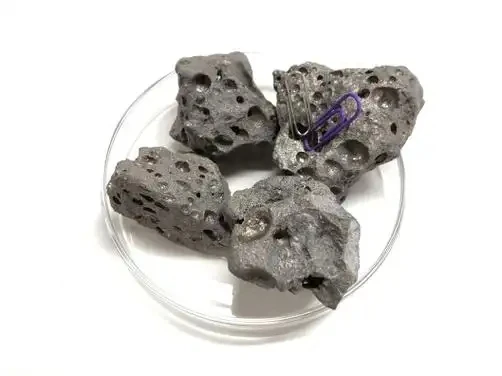
4. Mechanical Properties Testing
Mechanical properties testing is an important part of evaluating the quality of Ferro Phosphorus. This includes testing its tensile strength, yield strength, and elongation. These properties can provide information about the alloy's ability to withstand stress and deformation.
Tensile Testing
Tensile testing involves applying a gradually increasing load to a sample until it breaks. This can help determine the tensile strength, yield strength, and elongation of the Ferro Phosphorus. The results of tensile testing can provide valuable information about the alloy's mechanical properties and its suitability for different applications.
Impact Testing
Impact testing involves subjecting a sample to a sudden impact to determine its resistance to fracture. This can provide information about the alloy's toughness and its ability to withstand sudden loads. There are several methods for impact testing, including the Charpy and Izod impact tests.
5. Other Considerations
In addition to the above testing methods, there are several other considerations when testing the quality of Ferro Phosphorus. These include:
Sampling
Proper sampling is essential to ensure that the test results are representative of the entire batch of Ferro Phosphorus. The sample should be taken from different locations within the batch to ensure that it is homogeneous.
Testing Standards
It is important to follow established testing standards when testing the quality of Ferro Phosphorus. These standards provide guidelines for the testing methods, equipment, and procedures to ensure accurate and reliable results.
Quality Control
Implementing a quality control system is essential to ensure that the Ferro Phosphorus meets the required standards. This includes regular testing of the product, monitoring of the production process, and taking corrective actions when necessary.
Related Products
As a FeP alloy supplier, we also offer other related products such as Manganese Metal Lumps, Ferro Boron, and Micro Silica For Concrete. These products can be used in various industries and applications, and we are committed to providing high-quality products and excellent customer service.
Contact for Purchase and Negotiation
If you are interested in purchasing Ferro Phosphorus or any of our other products, please feel free to contact us for further information and to discuss your specific requirements. We are always ready to provide you with the best products and services at competitive prices.
References
- ASTM International. (20XX). Standard Test Methods for Chemical Analysis of Iron-Chromium-Nickel Alloys. ASTM E353.
- ASM International. (20XX). Metals Handbook: Properties and Selection: Irons, Steels, and High-Performance Alloys. Volume 1.
- Callister, W. D., & Rethwisch, D. G. (20XX). Materials Science and Engineering: An Introduction. Wiley.