

Products
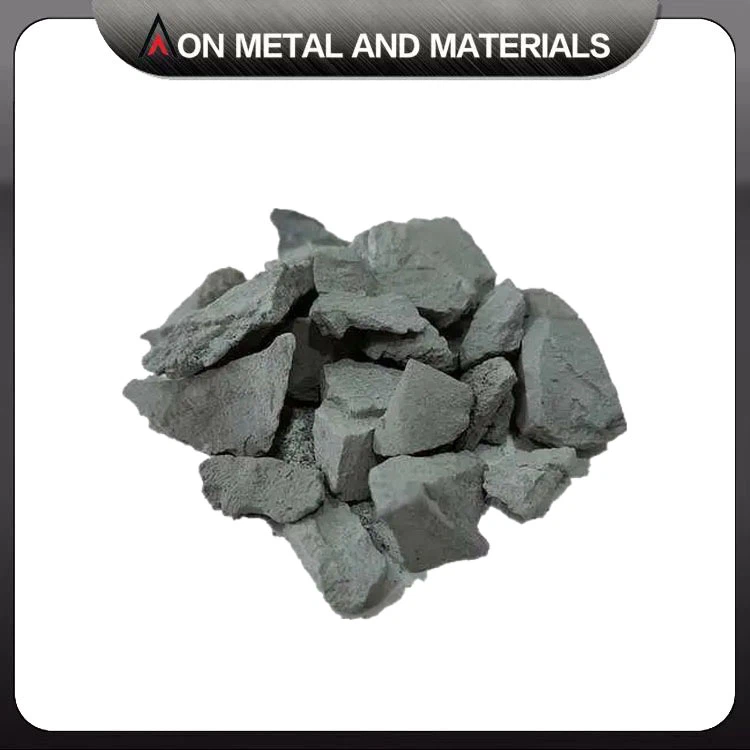
Ferro Silicon Nitride
-------------------------------------------------------------------------------------------
Shape: Lump Particles Powder
-------------------------------------------------------------------------------------------
Chemical Composition:Si3N4、Fe3Si、Fe2Si、SiC
-------------------------------------------------------------------------------------------
Size:0-5mm,0-10mm, 1-10mm, 10-50mm .etc
-------------------------------------------------------------------------------------------
Package: Ton bag or customized according to customer requirements
Send Inquiry
Product Introduction
Ferro silicon nitride (FeSiN) is a versatile ferroalloy ceramic composite that bridges the gap between cost-effectiveness and performance in metallurgical and refractory applications. Composed of silicon nitride (Si₃N₄), iron (Fe), and silicon (Si), this material delivers exceptional deoxidation, desulfurization, and high-temperature stability, making it a staple in steelmaking, foundry, and refractory industries.
FeSi3N4 is a synthetic composite formed through the high-temperature nitridation of ferrosilicon, resulting in a blend of silicon nitride (Si₃N₄) and iron-silicon alloy (Fe₃Si) phases. Unlike pure silicon nitride (a high-purity ceramic), ferro silicon nitride is engineered for affordability and scalability, making it ideal for bulk industrial use.
Chemical composition:
|
Component |
Content Range |
Role in Performance |
|
Nitrogen (N) |
10–14% |
Determines nitride phase content; higher N enhances deoxidation and high-temperature stability. |
|
Silicon (Si) |
55–65% |
Acts as a deoxidizer and forms Si₃N₄; balances iron content to avoid excessive impurities. |
|
Iron (Fe) |
20–30% |
Reduces material cost and improves machinability; controlled to prevent brittleness. |
|
Carbon (C) |
≤1.0% |
Minimized to avoid graphite formation in castings, critical for ductile iron quality. |
|
Aluminum (Al) |
≤1.5% |
Aids nitridation but limited to prevent inclusion formation in steel. |
|
Phosphorus (P) |
≤0.06% |
Controlled to avoid cold brittleness in metal products. |
|
Sulfur (S) |
≤0.03% |
Reduced to prevent hot cracking in castings and welds. |

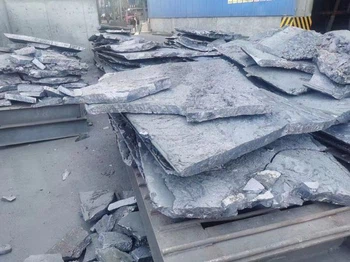
Advantages of Ferro Silicon Nitride
Ferro silicon nitride stands out in industrial applications due to its unique combination of benefits:
Cost-Effectiveness: 5–10x cheaper than pure silicon nitride, making it viable for bulk use in steelmaking and foundries.
Dual Functionality: Acts as both a deoxidizer and desulfurizer, reducing the need for multiple additives.
Process Compatibility: Available in various sizes (0–1mm to 5–10mm) to suit different feeding systems (ladle, tundish, molds).
Environmental Benefits: Low dust emissions compared to fine ceramic powders; reduces reliance on rare earth metals.

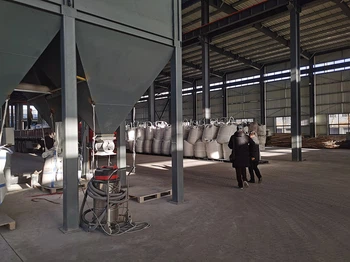
Wide application fields of ferrosilicon nitride
Steelmaking: Deoxidation & Inclusion Control
Primary Deoxidizer:
Added during ladle refining (1–3 kg/ton of steel) to react with dissolved oxygen, forming low-melting-point silicate inclusions (SiO₂·Al₂O₃). This reduces oxide defects by 30–40% compared to traditional ferrosilicon, improving steel toughness.
Desulfurization Aid:
Works with lime (CaO) to convert sulfur into stable CaS·Si₃N₄ compounds, lowering steel sulfur content to ≤0.015%-critical for low-alloy structural steel and shipbuilding applications.
Inclusion Spheroidization:
Transforms sharp, brittle Al₂O₃ inclusions into spherical particles, enhancing steel's weldability and fatigue resistance by 15–20%.
Foundry: Nodularization & Inoculation for Cast Iron
Ductile Iron Production:
As a cost-effective nodulizer alternative to rare earth metals, ferro silicon nitride (added at 0.5–1.0% of molten iron weight) promotes graphite spheroidization, achieving spheroidization rates ≥85%. This is widely used in automotive castings (crankshafts, gearboxes) and industrial valves.
Gray Iron Inoculation:
Enhances graphite nucleation, reducing "chill" (brittle white iron formation) and increasing tensile strength from 200 MPa to 250–280 MPa. Ideal for pipe fittings, pump housings, and machine tool components.
Cost Advantage:
30–50% cheaper than rare earth-based nodulizers, making it a preferred choice for medium-quality cast iron production.
Refractory Materials: High-Temperature Stability
Refractory Bricks:
Mixed with alumina (Al₂O₃) and magnesia (MgO) to produce nitride-bonded refractories, which resist 1400°C molten steel and slag erosion. These bricks extend ladle and tundish service life by 20–30% compared to traditional clay refractories.
Castable Refractories:
Fine-grained ferro silicon nitride (0–1mm) improves thermal shock resistance in castables, enabling them to withstand rapid temperature cycles (1000°C+ fluctuations) without cracking-used in furnace linings and blast furnace tapholes.

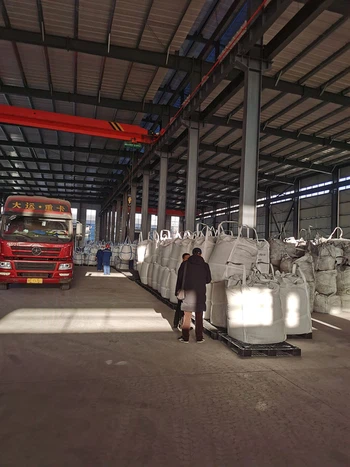
Sourcing Guide
To select the optimal ferro silicon nitride for your application, consider these key factors:
Nitrogen Content: Prioritize 12–14% N for steelmaking and cast iron (higher reactivity); 10–12% N suffices for refractories.
Size:
3–5mm lumps for ladle additions in steelmaking.
1–3mm granules for foundry inoculation.
0–1mm powder for refractory castables.
Impurity Levels: Ensure C ≤0.8%, P ≤0.05% for cast iron to avoid defects; lower S (<0.03%) is critical for weldable steel.
Certifications: Request ISO 9001 compliance and third-party test reports (SGS/BV) to verify composition and phase stability.
Hot Tags: ferro silicon nitride, China ferro silicon nitride manufacturers, suppliers, factory
Previous:
Ferrosilicon Nitride Powder
Next:
No Information
Send Inquiry


