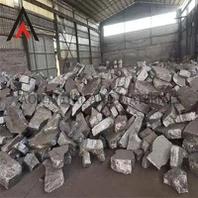
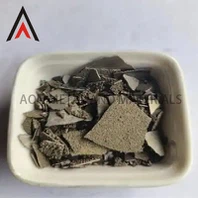
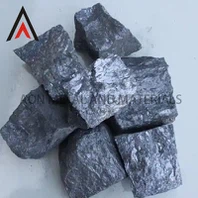
In the deoxidation process of silicon slag in steelmaking, the silicon element in it reacts chemically with the oxygen in the molten steel to achieve deoxidation. At the same time, other components in the silicon slag may also participate in some auxiliary reactions. The specific chemical reaction mechanism is as follows:
1. Deoxidation reaction of silicon:
Silicon slag contains a certain amount of elemental silicon (Si). Under the high temperature environment of steelmaking (generally around 1500℃ - 1600℃), silicon has a strong affinity with oxygen (O) in the molten steel, and a redox reaction will occur. Its main chemical reaction equation is: Si+2[O]=SiO2 (Note: [O] represents oxygen dissolved in the molten steel in atomic state). The generated silicon dioxide (SiO2) has a lower density than molten steel and will float to the surface of the molten steel in the form of slag, thereby removing oxygen from the molten steel and achieving the purpose of deoxidation. This reaction is the main mechanism of silicon slag deoxidation. It consumes oxygen in molten steel, reduces the oxygen content of steel, reduces defects such as pores and looseness caused by the presence of oxygen, and improves the quality of steel.
2. Reaction of silicon with other elements:
In the steelmaking process, molten steel contains some other elements in addition to oxygen, and silicon in silicon slag may react with these elements. For example, silicon can react with manganese (Mn) in steel to form manganese silicon compounds. Although this is not the main reaction of silicon slag deoxidation, this reaction will affect the distribution and existence form of elements in steel, and thus have a certain effect on the performance of steel. In some cases, an appropriate amount of silicon-manganese compounds can improve the strength and toughness of steel.

3. Reactions of other components in silicon slag:
The role of aluminum
If silicon slag contains a certain amount of aluminum (Al), aluminum is also a strong deoxidizer. At high temperatures, aluminum will preferentially react with oxygen in molten steel to form aluminum oxide (Al2O3), and the reaction equation is: 4Al+3[O]=2Al2O3 . Alumina will also form slag that floats up and plays a role in deoxidation. At the same time, alumina can also react with other components such as silica to form complex aluminosilicate slag, improve the properties of the slag, such as melting point, fluidity, etc., and facilitate the separation of slag from molten steel.

The influence of calcium
When the silicon slag contains calcium (Ca) elements, calcium will also participate in some reactions during the steelmaking process. Calcium can react with sulfur (S) in molten steel to form calcium sulfide (CaS), thereby reducing the sulfur content in steel and playing a role in desulfurization. In addition, calcium can also react with silica, alumina, etc. to form compounds such as calcium aluminum silicate with low melting points, further improving the properties of the slag, promoting the separation of slag from molten steel, and improving the purity of steel.

The role of iron
Silicon slag contains a certain amount of iron (Fe). Iron mainly exists as a component element of steel during the steelmaking process, but it may also participate in some redox reactions. For example, in some cases, iron oxides may react with silicon and be reduced to elemental iron, thereby affecting the deoxidation effect of silicon and the balance of elements in steel.

During the deoxidation process of steelmaking, silicon slag achieves deoxidation and desulfurization of molten steel through the deoxidation reaction of silicon and the synergistic effect of other components in silicon slag (such as aluminum, calcium, etc.), and has an important impact on the composition and performance of steel. These chemical reactions are interrelated and influence each other, and jointly determine the effect and role of silicon slag in steelmaking deoxidation.