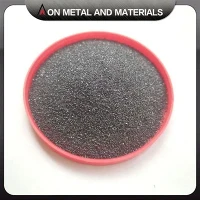
Phosphorus iron, a lesser - known yet highly useful alloy, has some pretty interesting applications in the leather industry. As a phosphorus iron supplier, I've seen firsthand how this material can make a real difference in leather production. Let's dive into the various ways phosphorus iron is used in leather - related processes.
1. Tanning Process Improvement
In the leather industry, tanning is a crucial step that turns raw animal hides into durable leather. Phosphorus iron can play a big part in this process. When you add a small amount of phosphorus iron to the tanning bath, it can act as a catalyst. It speeds up the chemical reactions between the tanning agents and the hide fibers. This helps the tanning agents penetrate deeper and more evenly into the hide, resulting in better - quality leather.
The thing is, better penetration of tanning agents means that the leather is more resistant to decay and has improved flexibility. This is super important for all sorts of leather products, from wallets to car seats. With phosphorus iron in the mix, tanneries can produce leather that lasts longer and feels nicer to the touch.
2. Color Enhancement and Fixation
Leather often goes through a dyeing process to get the desired color. Phosphorus iron can be used to improve the dyeing results. First off, it can enhance the color intensity of the leather. When the leather is dyed, phosphorus iron helps the dye molecules bind more tightly to the leather fibers. This means that the color is more vivid and less likely to fade over time.
Secondly, it aids in color fixation. After dyeing, if you don't have proper color fixation, the color might start to bleed or wash out. Phosphorus iron helps in creating a stable bond between the dye and the leather, preventing color loss. This is especially important for high - end leather products where color consistency and long - term vibrancy are key selling points.
3. Leather Softening
Softness is a highly sought - after characteristic in leather. Phosphorus iron can contribute to the softening process. It can interact with the protein fibers in the leather, making them more flexible. When you treat leather with a solution containing phosphorus iron, it breaks down some of the cross - links between the fibers. This allows the fibers to move more freely, resulting in softer leather.
For example, in the production of leather jackets and sofas, soft leather is a must. Phosphorus iron can help manufacturers achieve that luxurious, supple feel that consumers love. It's all about making the leather comfortable to wear or sit on, and phosphorus iron is a great tool for that.
4. Strengthening Leather's Physical Properties
Beyond softness, phosphorus iron can also improve the strength of leather. It can help in reinforcing the leather structure by promoting the formation of stronger bonds between the fibers. This makes the leather more resistant to tearing and abrasion.
Think about leather shoes. They need to be able to withstand a lot of wear and tear. By using phosphorus iron in the leather - making process, shoe manufacturers can produce shoes that last longer and can handle the rigors of daily use. This not only benefits the consumers but also reduces the environmental impact by reducing the frequency of leather product replacements.
5. Environmental Considerations
In today's world, environmental friendliness is a big deal. Phosphorus iron can offer some environmental advantages in the leather industry. It can be used in more efficient tanning and finishing processes, which can reduce the amount of chemicals needed. This means less chemical waste being released into the environment.
Moreover, because it helps in producing higher - quality leather that lasts longer, it reduces the overall demand for new leather production. This can in turn lead to less deforestation (since raising livestock for leather often requires land that may come at the cost of forests) and a smaller carbon footprint for the leather industry.

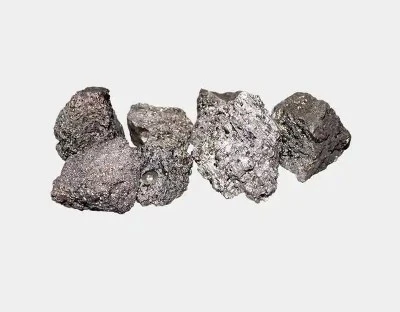
Other Related Products You Might Be Interested In
If you're in the leather industry, you might also be interested in some of our other products. We offer Manganese Ingot 97, which can be used in various industrial processes and might have some applications in the leather industry as well. Another great option is the 98% Manganese Ingot Metal, which has high - purity and can be used for specific chemical reactions.
We also have Silicon Slag 60, which can be used in some metal - related processes that might be relevant to leather production machinery. Micro Silica For Concrete might not seem directly related to leather, but it can be used in the construction of tanneries and leather factories. And for those looking for something a bit more exotic, we have Rare Earth Cerium Metal, which has unique chemical properties that could potentially be explored for leather applications.
Let's Talk
If you're interested in using phosphorus iron or any of our other products in your leather - making processes, don't hesitate to reach out. We're here to answer your questions, provide samples, and discuss the best solutions for your specific needs. Whether you're a small - scale leather artisan or a large - scale tannery, we've got the products and expertise to help you take your leather products to the next level.
References
- "The Chemistry of Leather Production", Johnson, R., 2018
- "Advances in Leather Technology", Smith, A., 2020
- "Environmental Impact of Leather Manufacturing", Brown, C., 2019