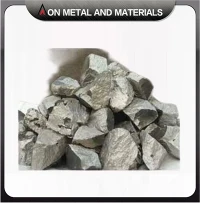
Hey there! As a supplier of Phosphorus Iron, I've been getting a lot of questions lately about its applications in the genetic engineering industry. So, I thought I'd take a deep dive into this topic and share what I've learned.
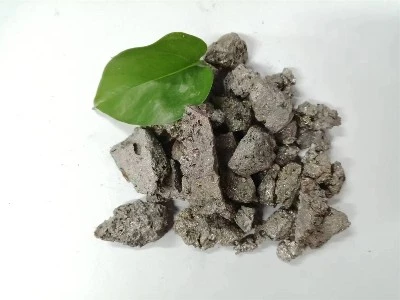
First off, let's talk a bit about Phosphorus Iron. It's an alloy that contains iron and phosphorus, and it's known for its unique properties. Phosphorus is an essential element for life, and it plays a crucial role in many biological processes, including DNA synthesis and energy metabolism. Iron, on the other hand, is important for oxygen transport and enzyme function. When these two elements are combined in the form of Phosphorus Iron, they create a material that has some interesting applications in genetic engineering.
One of the main applications of Phosphorus Iron in genetic engineering is in the production of recombinant DNA. Recombinant DNA technology involves combining DNA from different sources to create new genetic sequences. This is a fundamental technique in genetic engineering, and it's used in a wide range of applications, including the production of genetically modified organisms (GMOs), gene therapy, and the development of new drugs.
Phosphorus Iron can be used as a catalyst in the process of DNA synthesis. It helps to speed up the reaction and increase the efficiency of the process. This is important because DNA synthesis is a complex and time-consuming process, and any way to make it more efficient can save time and resources.
Another application of Phosphorus Iron in genetic engineering is in the development of gene delivery systems. Gene delivery systems are used to transport genes into cells, where they can be expressed and produce the desired proteins. This is a critical step in gene therapy, which aims to treat genetic diseases by introducing functional genes into the patient's cells.
Phosphorus Iron can be used to create nanoparticles that can carry genes into cells. These nanoparticles are small enough to pass through the cell membrane and deliver the genes directly to the nucleus. This is a more efficient and targeted way of delivering genes compared to traditional methods, which often have low efficiency and can cause side effects.
In addition to its applications in DNA synthesis and gene delivery, Phosphorus Iron can also be used in the analysis of genetic material. For example, it can be used in the development of biosensors that can detect specific DNA sequences. These biosensors can be used in a variety of applications, including disease diagnosis, environmental monitoring, and food safety testing.
Phosphorus Iron can also be used in the purification of genetic material. It can help to remove impurities and contaminants from DNA samples, which is important for accurate analysis and sequencing.
Now, let's talk about some of the other related products that we offer as a supplier. We also supply Ferro Boron, which is an alloy that contains iron and boron. Ferro Boron is used in a variety of applications, including the production of high-strength steels, magnets, and semiconductors.
Another product we offer is Silicon Slag 50. Silicon Slag 50 is a byproduct of the silicon production process, and it contains a high percentage of silicon. It's used in a variety of applications, including the production of steel, aluminum, and other metals.
We also supply Rare Earth Cerium Metal. Cerium is a rare earth element that has a variety of applications, including the production of catalysts, glass, and ceramics.
If you're in the genetic engineering industry and you're looking for high-quality Phosphorus Iron or any of our other related products, we'd love to hear from you. We have a team of experts who can help you find the right product for your needs and provide you with the support and guidance you need to ensure a successful project.
Whether you're working on a small-scale research project or a large-scale industrial application, we have the products and the expertise to meet your needs. So, don't hesitate to reach out and start a conversation with us. We're here to help you take your genetic engineering projects to the next level.
In conclusion, Phosphorus Iron has a wide range of applications in the genetic engineering industry, from DNA synthesis and gene delivery to genetic analysis and purification. Its unique properties make it a valuable material for a variety of genetic engineering applications, and it's an important tool for researchers and scientists in this field.
If you're interested in learning more about Phosphorus Iron or any of our other products, please don't hesitate to contact us. We'd be happy to provide you with more information and answer any questions you may have.
References

- Alberts, B., Johnson, A., Lewis, J., Raff, M., Roberts, K., & Walter, P. (2002). Molecular Biology of the Cell. Garland Science.
- Watson, J. D., & Crick, F. H. C. (1953). Molecular structure of nucleic acids; a structure for deoxyribose nucleic acid. Nature, 171(4356), 737-738.
- Lander, E. S., Linton, L. M., Birren, B., Nusbaum, C., Zody, M. C., Baldwin, J., ... & International Human Genome Sequencing Consortium. (2001). Initial sequencing and analysis of the human genome. Nature, 409(6822), 860-921.