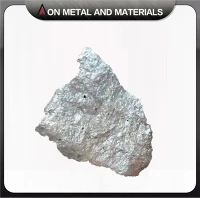
Ferro manganese is a vital alloy in the steel and iron industries, playing a crucial role in the production of high - quality metals. As a ferro manganese supplier, I have witnessed firsthand the dynamic nature of the trade situation surrounding this essential alloy. In this blog, I will delve into the various aspects of the ferro manganese trade, including market trends, demand and supply factors, price fluctuations, and the future outlook.
Market Overview
The global ferro manganese market has been experiencing significant growth in recent years. This growth can be attributed to the increasing demand for steel, which is the primary end - user of ferro manganese. Steel production continues to rise, driven by infrastructure development, automotive manufacturing, and the construction industry in emerging economies.
In regions such as Asia, particularly China and India, rapid industrialization and urbanization have led to a surge in steel consumption. China, being the world's largest steel producer, is also a major consumer of ferro manganese. The country's massive infrastructure projects, such as high - speed rail construction, urban building developments, and energy projects, have created a continuous demand for high - quality steel, thereby fueling the need for ferro manganese.
In addition to Asia, other regions like Europe and North America also contribute to the global demand for ferro manganese. The automotive industry in these regions, which is constantly evolving to meet stricter safety and environmental standards, requires high - strength steel that contains ferro manganese. The aerospace and defense sectors also rely on ferro manganese - enhanced steel for its durability and strength.
Types of Ferro Manganese and Their Trade
There are different types of ferro manganese, each with its own unique properties and applications, and they all have their own trade characteristics.
High - Carbon Ferromanganese (HC FeMn)
High - carbon ferromanganese is the most commonly produced type. It is used mainly for deoxidizing and desulfurizing steel, as well as for adding manganese to the steel to improve its strength, hardness, and wear resistance. The trade of HC FeMn is highly influenced by the overall steel production volume. When steel production is high, the demand for HC FeMn also increases.
Medium Carbon Ferromanganese (MC FeMn)
Medium Carbon Ferromanganese (MC FeMn) is used in applications where a lower carbon content is required. It is often used in the production of stainless steel and other specialty steels. The trade of MC FeMn is more niche compared to HC FeMn, but it is still an important part of the ferro manganese market, especially in industries that require high - precision and high - quality steel products.
Low - Carbon Ferromanganese (LC FeMn)
Low - carbon ferromanganese is used in the production of ultra - low - carbon steels and certain types of stainless steels. The demand for LC FeMn is relatively small compared to the other two types, but it is growing as the demand for high - performance steels in the automotive and aerospace industries increases.
Supply and Demand Factors
Supply
The supply of ferro manganese is mainly determined by the availability of raw materials, such as manganese ore and coke, and the production capacity of ferro manganese plants. Manganese ore is the primary raw material for ferro manganese production. Countries like South Africa, Australia, and Gabon are major producers of manganese ore. Any disruptions in the mining operations in these countries, such as labor strikes, natural disasters, or regulatory changes, can lead to a decrease in the supply of manganese ore, which in turn affects the production of ferro manganese.
The production capacity of ferro manganese plants also plays a crucial role in supply. New plants are constantly being built in regions with high demand, such as Asia, to meet the growing needs of the steel industry. However, the construction and operation of these plants require significant capital investment and strict environmental regulations, which can limit the growth of production capacity in some cases.
Demand
As mentioned earlier, the demand for ferro manganese is closely linked to the steel industry. Economic growth, infrastructure development, and technological advancements in the steel - consuming sectors are the main drivers of demand. For example, the increasing popularity of electric vehicles (EVs) has led to a higher demand for high - strength steel, which contains ferro manganese, to reduce the weight of the vehicles and improve their energy efficiency.
In addition, changes in steel production technology can also affect the demand for ferro manganese. Newer steelmaking processes may require different types or amounts of ferro manganese, which can cause fluctuations in the market.


Price Fluctuations
The price of ferro manganese is highly volatile and is influenced by a variety of factors. Supply and demand dynamics are the primary factors affecting prices. When the demand for ferro manganese exceeds the supply, prices tend to rise. Conversely, when there is an oversupply in the market, prices will decline.
Raw material prices also have a significant impact on the price of ferro manganese. As the cost of manganese ore and coke goes up, the production cost of ferro manganese increases, which is often passed on to the consumers in the form of higher prices.
Global economic conditions and currency exchange rates can also cause price fluctuations. In times of economic uncertainty, steel production may slow down, leading to a decrease in the demand for ferro manganese and a subsequent drop in prices. Currency fluctuations can affect the cost of importing and exporting ferro manganese, which can also influence market prices.
Trade Patterns and Regional Markets
Asia
Asia is the largest market for ferro manganese, both in terms of production and consumption. China is the dominant player in the Asian market, with a large number of ferro manganese plants and a high demand for steel. India is also emerging as a significant market, with its growing steel industry and infrastructure projects. The intra - Asian trade of ferro manganese is quite active, with countries exporting and importing according to their production capabilities and market needs.
Europe
Europe has a well - established steel industry, and the demand for ferro manganese is relatively stable. However, the region also faces competition from imports, especially from Asia. European countries often focus on producing high - quality and specialty ferro manganese products to meet the specific requirements of their domestic steel industries. The trade within Europe is regulated by strict environmental and quality standards, which can affect the trade flow of ferro manganese.
North America
The North American market for ferro manganese is mainly driven by the automotive and construction industries. The United States is the largest consumer in the region, and it imports a significant amount of ferro manganese from other countries, particularly from Asia. The trade policies and tariffs in North America can have a significant impact on the import and export of ferro manganese.
Future Outlook
The future of the ferro manganese trade looks promising, given the continuous growth of the global steel industry. As emerging economies continue to develop their infrastructure and industrial sectors, the demand for steel and, consequently, ferro manganese is expected to increase.
Technological advancements in the steelmaking process may also lead to changes in the demand for different types of ferro manganese. For example, the development of more efficient steel - making technologies may require less ferro manganese or a different composition of the alloy.
Environmental concerns and regulations are also likely to shape the future of the ferro manganese trade. The industry will need to adopt more sustainable production methods to reduce its environmental impact, which may increase the production cost but also create opportunities for innovation and the development of new products.
Conclusion
As a ferro manganese supplier, I understand the importance of staying informed about the trade situation. The market is complex and constantly evolving, influenced by a wide range of factors from supply and demand to global economic conditions. Whether you are in the steelmaking industry, looking for Ferro Silicon Manganese 6014 For Steelmaking deoxidizer, Medium Carbon Ferromanganese (MC FeMn), or Silicon Manganese 6517, I am dedicated to providing high - quality products to meet your needs.
If you are interested in purchasing ferro manganese or have any questions about our products, please feel free to contact me for a detailed discussion. I am looking forward to establishing long - term business relationships with you and contributing to the success of your projects.
References
- World Steel Association reports on global steel production and consumption trends.
- Industry research papers on ferro manganese production and trade.
- News articles and market analyses from reliable sources in the metals and mining industry.